
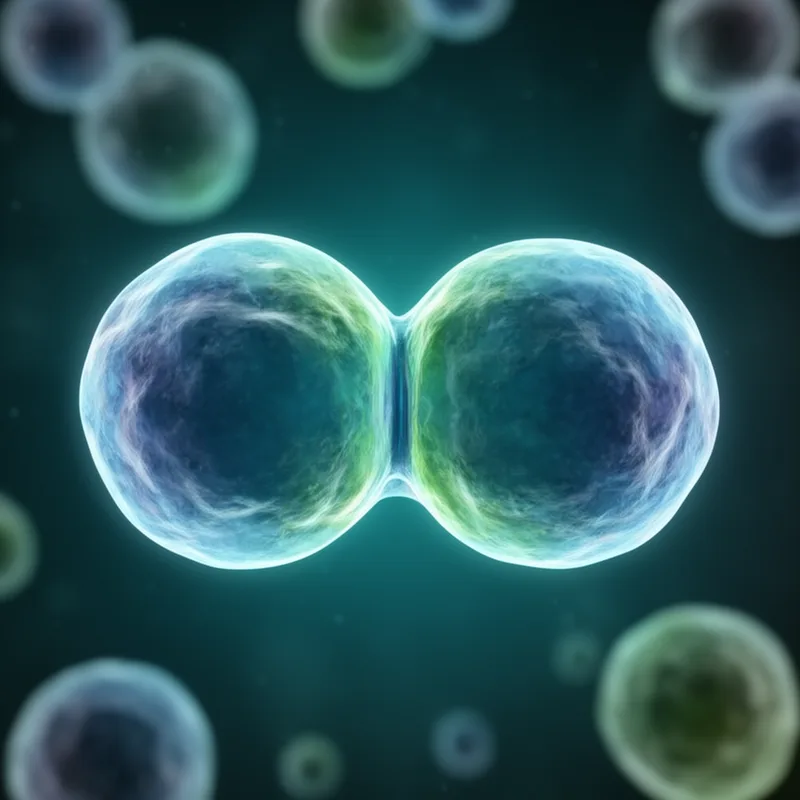
to fission
 1
7.0
1
7.0

- verb
- /ˈfɪʃən/
- When a U233 atom encounters a low-energy neutron, chances are 9 out of 10 that it will fission.
Examples
-
Only about 1% has been fissioned.
Blog text (22) -
It was on this account that many of us took up the breeder reactor, in which neutrons from fissioning 239Pu are captured by 238U, ultimately to yield more 239Pu.
Academic text (2002) -
OK, so we know how to begin and sustain and contain fission, right?
-
Or perhaps a bubble fissioned in half and split off into two bubbles.
-
Only 0.7 percent of the atoms are U-235, which will fission.
Academic text (2007) -
Np can be left in the reactor to fission off by excess neutrons, but it would be more efficient, from a reactor operating perspective, to get it out.
Blog text (32) -
It failed to fission one-third of the time when it absorbed a neutron in a conventional Light Water Reactor (LWR).
Blog text (32) -
LWRs use water as both the coolant and the moderator (that is, to slow the neutrons down to an energy level conducive to fissioning the uranium atoms in the fuel).
Academic text (2011) -
Since U233 produces an average of 2.4 neutrons every time it fissions, this means that each neutron that strikes U233 produces an average of 2.16 new neutrons.
Blog text (32) -
In nuclear reactors, controlled fission of uranium atoms produces significant amounts of energy.
Synonyms
 513
1.3
513
1.3
To break something into two or more parts
 47
2.6
47
2.6
To divide something into smaller parts
 8
8.6
8
8.6
To split into two parts or branches, like a river
Compounds
- Specialized
4
4.9
The center of a heavy atom splits into smaller parts and releases energy
- Specialized

 1
6.7
1
6.7
A bomb that releases a huge amount of energy by splitting heavy atoms like uranium or plutonium
How Complete

Surface Forms
Etymology
Fission as a verb comes from the same Latin findere, meaning 'to split'. A helpful way to remember is to think of the word fissure, meaning 'a crack': to 'fission' is to split or divide into parts, which is how we use it for atoms or cells.