

fire watcher
- noun
- Archaic
- They insisted that fire watchers be paid for their time.
Examples
-
During World War II, a dedicated fire watcher stood atop the building, alert for any signs of enemy bombing fires.
-
What are the chances that fire watcher has a weapon?
-
What kind of fire watcher leaves his cabin with a fire burning?
-
The fire watcher reported the first flames to the authorities, ensuring a quick response to the potential disaster.
-
As a fire watcher, her task was crucial in identifying fires caused by aerial raids and protecting the nearby civilians.
Synonyms
 89
3.9
89
3.9

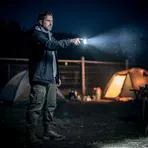
A person who watches a place or people to keep them safe
 88
3.7
88
3.7
A person who watches and warns others about danger
 31
7.4
31
7.4
A person who watches a place to warn others of danger
 28
4.1
28
4.1
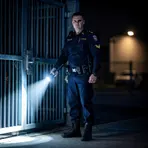
A person who guards a building or land, usually at night
 21
4.4
21
4.4
A person who watches closely and reports storms, dangers, or animal sightings
 11
3.2
11
3.2
A person who guards a place at night


 1
5.1
1
5.1
A man who watches for danger or police and warns others
 1
6.9
1
6.9
A person who looks after and guards a place at night

A person who watches the streets at night to keep people safe
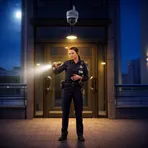
A woman who guards a building or area, often at night
How Alert

Surface Forms
Morphology
The compound 'fire watcher' is transparently built from 'fire' (a blaze) + 'watcher' (a person who watches), so a B1 learner who knows both words can readily infer it means a person who watches for fires. The historical specificity (WWII air-raid context) is a cultural detail but does not obscure the direct compositional meaning, and similar compound patterns occur cross-linguistically.
Etymology
Fire watcher comes from World War II, when people stood on roofs during air raids to look for small burning bombs that could start a fire. They would warn others or call firefighters, so a fire watcher came to mean 'a person who watches for and reports fires'.