
filename
 4
3.3
4
3.3

- noun
- /ˈfaɪlˌneɪm/
- Specialized
- Sometimes a file cannot be deleted because it has invalid characters in its filename.
- the original filename
- filename of 11,389 bytes
Examples
-
Ultimately, the important thing to note here is not the filenames themselves, but rather the patterns these names follow.
Blog text (27) -
You destroyed only the copy with the original filename.
Fiction book (2001) -
Nice article, do you know how you can return the filename rather than the ID of an image being used?
Blog text (16) -
Remember that the filename for the entry point must have the same name as the component.
Blog text (30) -
I wouldn't rely on the loading order based on filename; you never know if that might change in the future.
Blog text (28) -
I really like how Safari is showing you screenshots instead of a temporary filename after selecting your image.
Blog text (10) -
Write a program that prompts the user to enter a filename (use a Scanner to get the filename).
Blog text (27) -
To use the software, just specify the filename when prompted.
-
Make sure you write down the correct filename before you save your work.
-
He renamed the filename to ensure it's clear and organized for future use.
Synonyms
 4
2.7
4
2.7
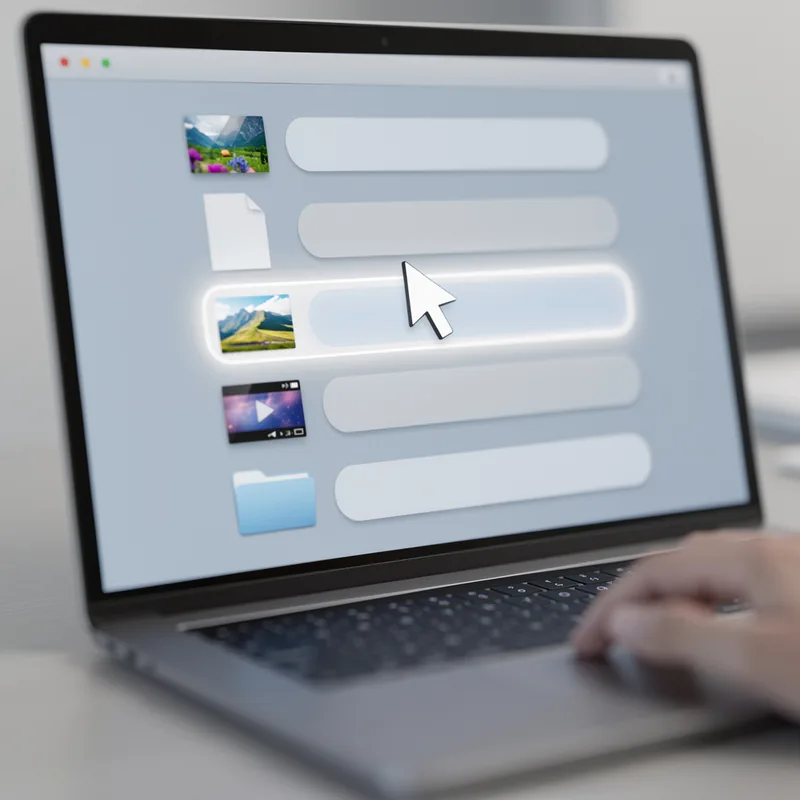
Name used to tell which computer file it is, often showing its type
Compounds

- Specialized
Letters and symbols added after a file name, usually starting with a dot, to show the file type
Surface Forms
Morphology
Etymology
The word filename comes from two simple words: file and name. File is like a folder or a stack of papers and name means 'a word to identify something'. Think of a filename as a 'name tag' for a digital document, and the ending called the extension works like a small tag that shows the file's 'type', so that's why a filename tells you what the file is and often how to open it.