

fertilization age
- noun
- /ˌfɜːrtɪlaɪˈzeɪʃən eɪdʒ/
- Specialized
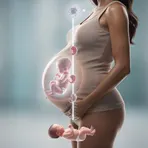
- The fertilization age is typically two weeks less than the gestational age.
Examples
-
Doctors use fertilization age to accurately track the early development of embryos in IVF procedures.
-
At a fertilization age of six weeks, the fetus is developing rapidly.
-
Research studies compare outcomes based on fertilization age rather than the mother's last menstrual period.
-
The doctor explained the fertilization age of the embryo.
-
Doctors use fertilization age to accurately assess the development of embryos during in vitro fertilization.
-
Research studies often use fertilization age to evaluate the success rates of different fertility treatments.
-
The fertilization age is an important factor in determining the appropriate stage for ultrasound scans.
Synonyms
 2
5.3
2
5.3

The time from conception to birth counted in weeks

Time since the egg and sperm joined that shows how old the embryo or unborn baby is
How Old
3
4.1

- Specialized
Surface Forms
Morphology
The phrase is a straightforward nominal compound: 'fertilization' (the event of egg and sperm fusing) + 'age' (time since origin), so a learner who knows both words can infer it means the age measured from fertilization. This compositional pattern is regular in English and mirrored in other languages, making the meaning immediately derivable rather than idiomatic.
Etymology
The term fertilization age comes from the simple idea of starting the clock when the fertilization — the meeting of egg and sperm — happens. That picture of counting the baby’s age 'from fertilization' rather than 'from the mother's last menstrual period' explains why the phrase means the embryo or fetus' age measured from that moment.