
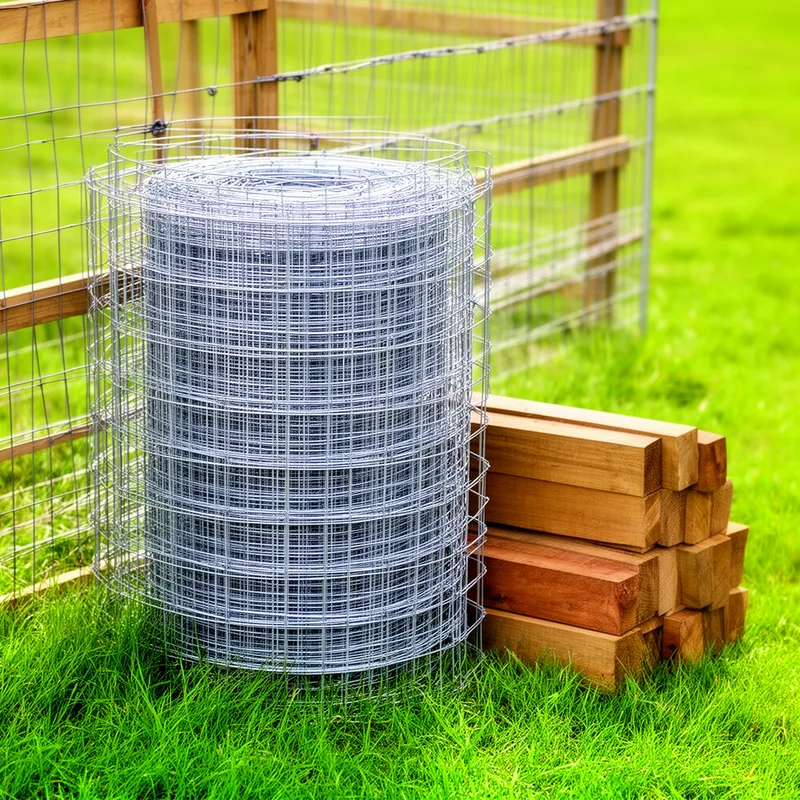
fencing
 23
2.7
23
2.7

- noun
- /ˈfɛn.sɪŋ/
- Using durable wire fencing, the gardener protected her vegetable patch from rabbits.
- chain-link fencing
- conventional fencing
- fencing costs
Loading YouTube…
Watch on YouTubeAnd then this tub right here just has kind of like fencing pieces, like little twigs and little wood rounds that you can make little pathways with.
- And then this tub right here just has kind of like fencing pieces, like little twigs and little wood rounds that you can make little pathways with.
Examples
-
The steers fattened and grew sleek, the apple trees had been pruned, and the fencing stood stout and impenetrable.
Fiction book (1998) -
Alternatively, ranchers could protect streams using fencing to keep livestock fecal matter from entering waterways.
Academic text (2008) -
What about all that fencing?
-
Put up stronger fencing, huh?
-
Cow-calf operations are costly; they require more labor, more fencing, more management, and more medicine.
Academic text (1993) -
If you wanted to take any tools, you'd have to get through the fencing with wire cutters.
Fiction book (2002) -
The reporters and cameramen were five deep by the wooden gate with its wire fencing.
Fiction book (1998) -
As you can see, we've got perimeter fencing, not fool-proof, though, but stops those things from getting in.
-
Whatever its merits in disease control, fencing has clearly paid off in reassuring European beef buyers.
Academic text (2006) -
"We have fifty miles of twelve-foot-high fencing, including twenty-two miles around the perimeter of the island."
Fiction book (1990)
Synonyms
 567
1.0
567
1.0
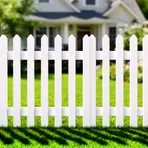
A structure around land to mark or protect it
 83
4.8
83
4.8
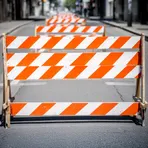
A barrier put up to block a road or entrance
 44
2.0
44
2.0
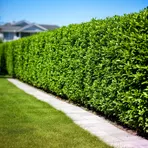
A row of closely planted bushes that forms a low natural fence
 43
3.4
43
3.4
Wire with sharp points used to stop people or animals from crossing
 23
2.0
23
2.0
A row of upright wooden or metal boards with spaces that mark the edge of a yard
 20
2.7
20
2.7
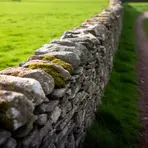
A low fence made by stacking rough stones to mark boundaries or keep animals out
 5
2.0
5
2.0
A line made by a fence that shows the edge of a field or property
 5
7.9
5
7.9
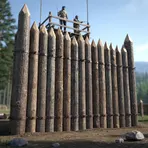
A strong fence of close wooden posts to protect a place
 2
9.0
2
9.0
A strong fence of upright wooden or metal posts used for protection
 1
7.2
1
7.2
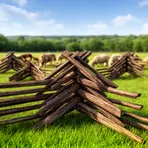
A fence made of thin upright wooden and metal stakes or one of those stakes
 1
4.3
1
4.3
A fence made of long wooden rails laid in a zigzag to keep animals in

 1
2.4
1
2.4
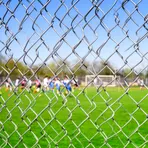
A wire fence with diamond-shaped holes used to surround yards or sports fields
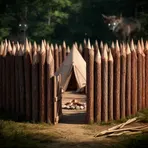
A fence of strong wooden posts set close together to protect a place
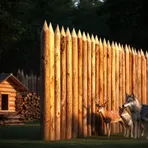
A fence of wooden posts that keeps people or animals out

A fence made from vertical flat pieces of slate wired together
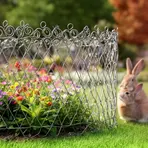
A net of thin wires used for fences or decoration

A strong wire with sharp points used in fences to stop people or animals
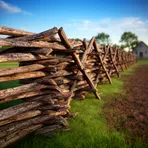
A wooden fence made of rails laid in a zigzag pattern without posts

A low wooden rail barrier that forms a zigzag pattern to mark or enclose land
Compounds



How Protective

Surface Forms
Morphology
Etymology
Fencing comes from fence, a shorter form of defence and related to defend, which means 'to protect'. So fencing are the materials that act as a 'defence' to keep animals or people in or out.