
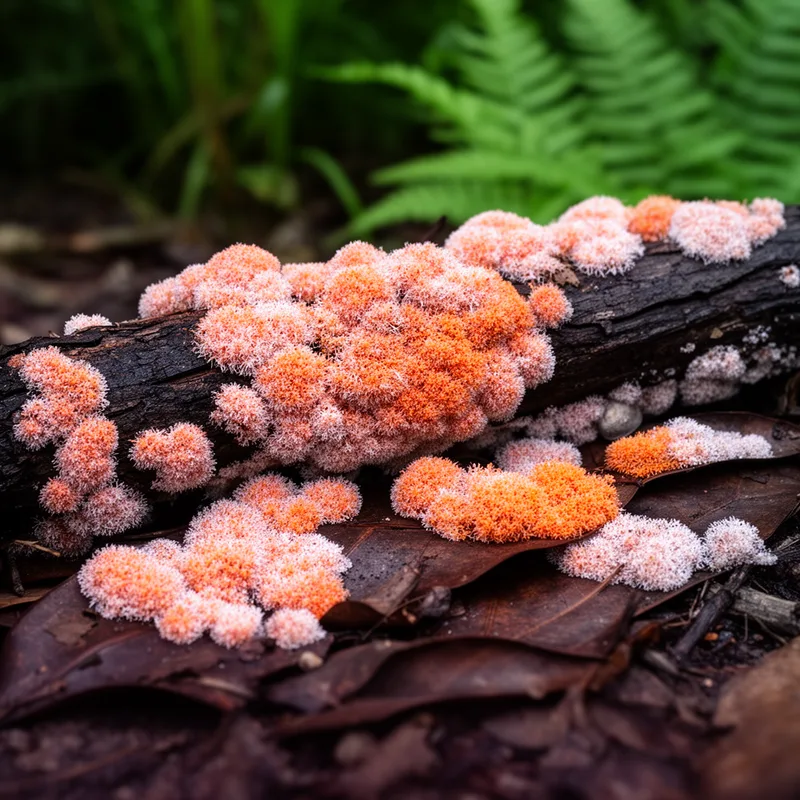
family Tuberculariaceae
- noun
- /ˈfæmɪli ˌtjuːbərˌkjʊlərɪˈeɪsiˌi/
- Specialized
- Many species within the family Tuberculariaceae are known for their role in decomposing organic matter.
Examples
-
Researchers discovered a new saprophytic fungus belonging to the family Tuberculariaceae in the rainforest.
-
The family Tuberculariaceae consists primarily of fungi that do not reproduce sexually.
-
The family Tuberculariaceae includes many unique species.
-
Did you know that the family Tuberculariaceae contains primarily saprophytic fungi?
-
Many species within the family Tuberculariaceae play a crucial role in decomposing organic matter.
-
Researchers discovered a new saprophytic fungus belonging to the family Tuberculariaceae deep in the rainforest.
-
The family Tuberculariaceae is known for its diverse species that primarily exist as fungi decomposers.
Synonyms
A family of fungi that break down dead plants and have no known sexual stage
Surface Forms
Morphology
family + Tuberculariaceae
This phrase is compositionally built from 'family' (a scientific grouping) plus a taxonomic name, so its meaning — the taxonomic family named Tuberculariaceae — is directly derivable from the constituents. A B1 learner who knows 'family' in the biological/taxonomic sense and recognizes that capitalized Latin names denote taxa (or the suffix -aceae indicates a family) can infer it denotes a biological family (here of fungi), making the expression transparent.
Etymology
The name family Tuberculariaceae may come from a Latin word for small lumps, because many of these fungi make tiny round bumps on dead plants and wood. So the name helps you remember this 'family' is a group of fungi that 'break down' dead matter.

