
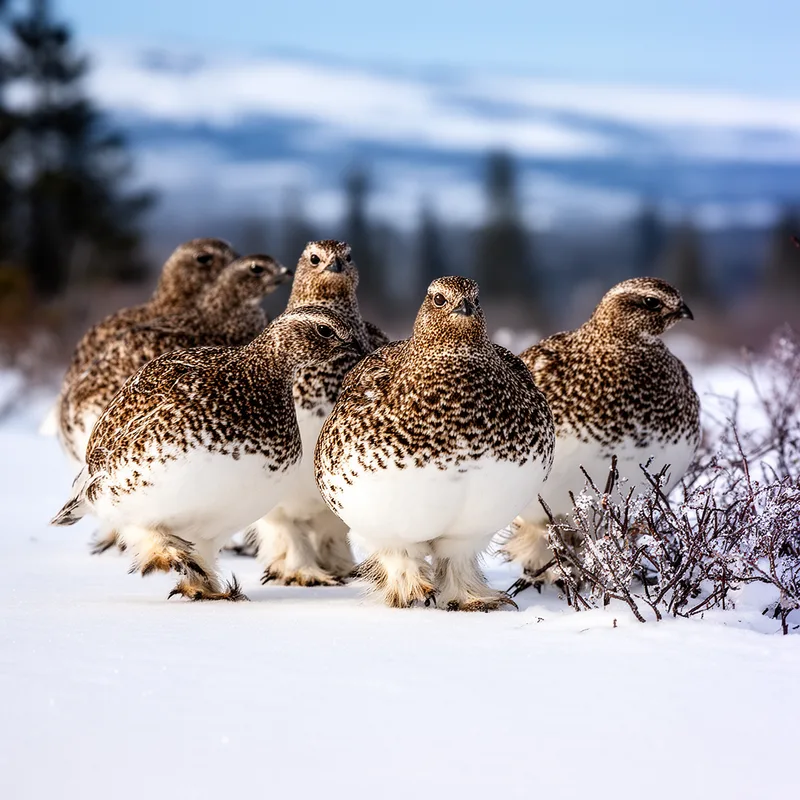
family Tetraonidae
- noun
- /ˈfɛmɪli ˌtɛtrəˈoʊnɪdi/
- Specialized
- The family Tetraonidae is known for its distinctive feathered legs and includes various species of grouse.
Examples
-
The family Tetraonidae includes various species of grouse.
-
The diet and habitat of the family Tetraonidae vary widely depending on the specific species.
-
Conservationists are working to protect several species within the family Tetraonidae that are now threatened.
-
Scientists have long studied the migration patterns of the family Tetraonidae in northern climates.
-
Many birds from the family Tetraonidae have feathered legs.
-
In cooler regions of the Northern Hemisphere, the family Tetraonidae thrives due to its unique adaptations.
-
Birdwatchers often seek out members of the family Tetraonidae for their interesting behaviors and plumage.
Synonyms
A family of birds like grouse with strong bodies and feathered legs
How Broad


Surface Forms
Morphology
The phrase is fully compositional: 'family' signals a taxonomic grouping and 'Tetraonidae' names the group, so a learner who knows both constituents can infer it refers to the bird family Tetraonidae. This follows standard scientific naming patterns (rank + taxon name) found across languages, making the meaning directly derivable from the parts.
Etymology
Family Tetraonidae comes from an old Greek word for a kind of forest bird that we now call a grouse. Scientists used that word for a 'family' of plump, feather-legged birds, so today family Tetraonidae means the group of grouse-like birds found in northern areas.