

fallow
 3
5.7
3
5.7

- adjective
- /ˈfæloʊ/
- The cropping scheme was wheat-fallow-wheat for the experimental field.
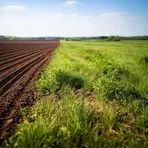
- fallow land
- leave the land fallow
- a fallow field
Examples
-
Farmers supplement this fodder with stubble from cereal, alfalfa, and fallow fields.
Academic text (2011) -
Dryland farmers like Roseberry in the Columbia Plateau use the wheat-fallow cycle because of the low rainfall.
Academic text (1996) -
During the fallow season, the soil retains water for use by next year's crop.
Academic text (1996) -
Or fields may be left fallow for a year after harvest to conserve soil moisture.
Academic text (1995) -
In this block of plots, winter wheat has been alternated with fallow since 1931.
Academic text (1999) -
Evidently, this strategy allocated land for slash-and-burn agriculture in small plots that could recover during fallow periods.
Academic text (2007) -
Peasants cleared steep land that had long been fallow or in pasture in order to plant bananas.
Academic text (1997) -
The farmer left his fields fallow this year to improve the soil's health.
-
After several years of planting corn, the land was finally left fallow for a season.
-
To enhance crop production, many experts recommend keeping farmland fallow during specific seasons.
Synonyms
 1
6.2
1
6.2
Land that is not turned over to make the soil ready for planting


 1
3.3
1
3.3
Land with no seeds or plants growing on it
 1
6.6
1
6.6
Land not plowed or used for growing crops
 1
5.1
1
5.1
Land that is not prepared for growing crops

Land that has not been planted with crops

Land not planted with seeds

Land that people do not use for growing crops
Antonyms

Compounds
 1
7.8
1
7.8
A medium-sized deer with wide flat antlers and a light brown coat with white spots in summer
How Planted

Surface Forms
Etymology
Fallow comes from an old word meaning 'pale brown', the colour of earth left without crops. That's why fallow describes fields left unploughed and unseeded so they can recover their nutrients.