

fae
 5
9.9
5
9.9

- noun
- /feɪ/
- Literature
- The old book described the fae as playful spirits that often helped lost travelers find their way.
- Fae magic
- Fae blood
- half-Fae
Loading YouTube…
Watch on YouTubeSo this isn't fae like fantasy romance fae.
- So this isn't fae like fantasy romance fae.
Examples
-
The Amazons are a proud race of warrior Fae.
-
She had no idea a fae Prince was the buyer.
-
Every time something was given to the Fae, something was received in its place.
Blog text (19) -
"A man and a fae are as different as a dog and a wolf."
Blog text (24) -
And vice versa, every time something was given by the Fae, there was a price.
Blog text (19) -
What might the Fae have in mind for Denna?
Blog text (24) -
Perhaps some ritual or other "calls" the Fae out through the stones to meet with the callers.
Blog text (24) -
I assumed there were several entrances to Fae throughout the mortal world.
Blog text (9) -
And it fills me with great foreboding when a Fae loves a human.
Blog text (4) -
Extremely rare North American Fae with highly-developed folfactory senses.
Synonyms
 417
2.7
417
2.7
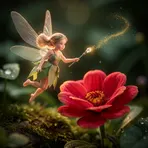
A small imagined being that looks like a person and has magic
 21
9.9
21
9.9
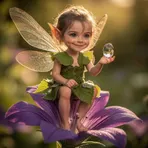
A small magical creature that looks like a person and often plays tricks
 4
5.9
4
5.9
An imaginary being like a dragon or unicorn with magical powers
 1
6.5
1
6.5
A made-up creature from old stories or folk tales

 1
9.9
1
9.9
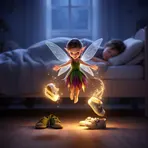
A small humanlike being in stories who can use magic and often plays tricks
 1
9.9
1
9.9
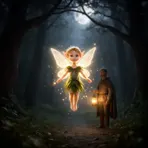
A small magical being in old stories, like a fairy
Surface Forms
Etymology
Fae comes from Old French fée and is the same idea as the English word fairy. The root also links to the Latin fatum, which means 'fate', so think of the fae as small spirits who can change your luck, and that's why it means a mythical being or spirit.