
fabula
- noun
- /ˈfæbjʊlə/
- Literature
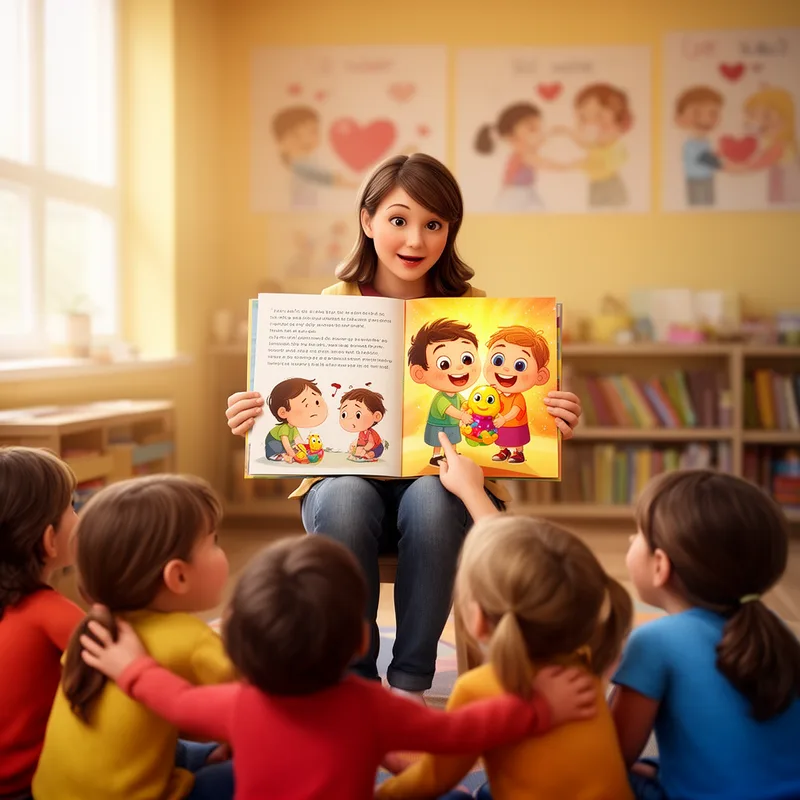
- The teacher told a fascinating fabula that conveyed an important moral about honesty.
- fabula as sujet
- characters within the fabula
- concept of fabula
Examples
-
Socialist-realist rhetoric of commitment to ideas led to a terminological and then practical conflation of fabula (story) and theme, diluting the former.
Academic text (2017) -
Thematically, it belongs to the same fabula and can be assumed to originate in the same manuscript.
Academic text (1993) -
The result is really a single fabula transmitted to us through several texts collected by chance in the same volume.
Academic text (1993) -
The possible subworlds that are imagined, believed, wished, and so on by the characters of the fabula.
Academic text (1992) -
Certainly, Tomashevsky emphasized the association between fabula and causality from the Formalist point of view, and others have followed.
Academic text (2001) -
The necessary properties of characters are those which define them as fictional creatures and could not be altered in another narrative without distortion of the fabula and resulting loss of identity (the identity of characters being for Eco entirely dependent on the story in which they appear).
Academic text (1992) -
Children love listening to a good fabula that teaches them valuable lessons about friendship.
-
In his book, he explains how each fabula carries a lesson that reflects on human nature.
Synonyms

 36
5.2
36
5.2

A simple story that teaches a moral lesson
 23
3.5
23
3.5
A short story with animal characters that teaches a moral lesson

A short story that teaches a lesson, often using animals
How Moral

Surface Forms
Etymology
Fabula comes from Latin and simply means 'story'. It gave us English fable, like Aesop's short tales that teach a lesson, so a fabula can be a tale that shows a moral.