
exosome


 1
9.9
- noun
- /ˈɛk.səˌsoʊm/
- Specialized
- exosome test
Examples
-
Several in vitro and in vivo studies have proposed the concept of exosome-mediated cancer therapies.
Academic text (2017) -
However, these limitations in the understanding of the functional or pathophysiological role of exosome lncRNA do not impact their potential utility as disease biomarkers 64,65.
Academic text (2017) -
The ability to selectively manipulate exosome content, through either exogenous or endogenous approaches, may offer further opportunities for unique therapies.
Academic text (2017) -
Vps4A and other key regulators of exosome biogenesis have been demonstrated to be down-regulated in HCC tissues.
Academic text (2017) -
Additionally, growth factors are released in the tumor microenvironment to support the growth of CSCs, thereby creating a positive feedback loop that may be the result of exosome production and may result in poor prognosis for some 71,73.
Academic text (2017) -
Researchers are studying the role of exosomes in transferring RNA between different cells.
-
Scientists have discovered that exosomes can influence the behavior of surrounding cells by carrying specific RNA molecules.
-
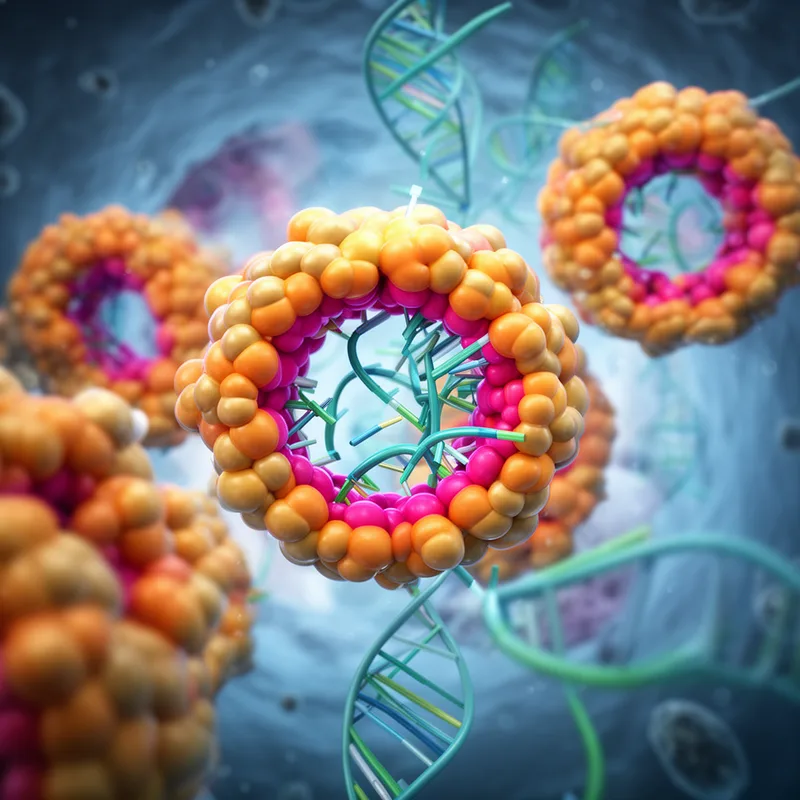
The team's analysis focused on how exosomes help in the degradation and processing of RNA within eukaryotic cells.
Surface Forms
Morphology
exosome = exo + some
The term is formed from Greek combining forms 'exo-' (outside) + '-some' (body/particle) which are technical and not productive or familiar to B1 learners, so the meaning cannot be derived from everyday English base words.
Etymology
Exosome comes from the parts exo- meaning 'outside' and -some meaning 'body', like in ribosome. A helpful way to remember the cellular exosome complex is to think of it as a small 'body' that takes RNA pieces away or removes faulty RNA, which fits its job of processing and breaking down RNA.