

excavation
 9
5.4
9
5.4

- noun
- /ˌɛkskəˈveɪʃən/
- Doctor Barakat is now in charge of the excavation.
- archaeological excavation
- excavation site
- recent excavations
Examples
-
At the edge of the excavation, they found the remains of a wall.
Fiction book (1998) -
Even from within an excavation in northern Kenya, we can talk to people about what we're doing.
-
After 21 hours of excavation, three adult bodies were uncovered.
-
The site where Lou Goettsch's remains might be buried is currently under excavation for a commercial development.
Academic text (1995) -
Then, using computer models of the excavation site showing which bones were found where, Grossschmidt identified 68 individuals.
Academic text (2008) -
There have been no archaeological excavations to prove or disprove this theory.
Academic text (2001) -
Since then, looting has also taken place at the site of the archaeological excavations themselves.
Academic text (2000) -
The remediation of the Baton Rouge site involved the excavation of more than 10,000 cubic yards of contaminated sludge.
Academic text (1995) -
The team discovered ancient artifacts during the excavation of the Roman site.
-
The excavation revealed a large underground chamber filled with pottery.
Synonyms
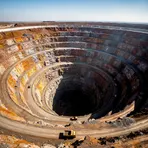 230
3.6
230
3.6
A large hole in the ground used for mining
 178
5.7
178
5.7
A hole in the ground where people dig for minerals like coal or gold
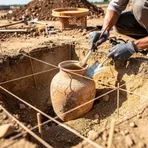 60
3.9
60
3.9
A place where people remove earth to find old objects
 55
4.9
55
4.9
An open place in the ground where people remove stone
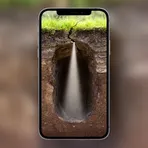 15
3.9
15
3.9
A hollow space in the ground or a solid object
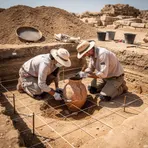 10
3.7
10
3.7
A place where people dig to find objects from past human life
 1
3.7
1
3.7
A place where people dig to find old objects like bones and tools

A place where people dig to find old objects or valuable stones
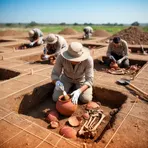
An area where people dig for minerals or ancient objects
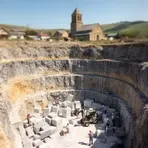
A large open hole in the ground where people take stone for building

A large hole in the ground where people dig out chalk

A hole that forms when wood decays or people dig the ground
Compounds
How Deep

Surface Forms
Morphology
Etymology
Excavation comes from Latin parts ex- ('out') and cavare ('to hollow') and is like the English word cave, which is a hollow space. So an excavation is the hole or hollow made by digging, like a man-made cave.