

to examine
 53
3.1
53
3.1

- verb
- /ɪɡˈzæmɪn/
- Formal
- Do you usually examine suspects this way?
- begin to examine
Loading YouTube…
Watch on YouTubeI cross examine both Stormy Daniels, but not try to disprove her story and cross examine vigorously Cohen.
- I cross examine both Stormy Daniels, but not try to disprove her story and cross examine vigorously Cohen.
- Then you never get a chance to cross examine any witnesses are That's true.
- Okay, so Cam is your witness, Lewis is mine yeah yeah yeah, and we cross examine them.
- So but I was cross examined by his brother's barrister, right?
- When you was in the dock and you were being cross examined, was there any stage where you felt like you were on trial?
Examples
-
The defendant is in Detroit being examined by a psychiatrist, Your Honor.
-
Please let her examine you.
-
Now, today, the committee is meeting to examine this official who sits before you.
-
Many nurses will prefer that a GP first examine the patient and confirm a diagnosis.
Academic text (2011) -
He'll examine you soon.
-
The teacher will examine each student's understanding of the topic during the exam.
-
During the investigation, the detective had to examine the witnesses carefully for any discrepancies.
-
The board will examine the financial reports to ensure everything is in order before making a decision.
Synonyms
 ∞
2.8
∞
2.8
To look carefully at something to find facts
 ∞
2.5
∞
2.5
To look at or test something to learn more about it
 570
1.0
570
1.0
To ask someone questions to get information
 142
6.5
142
6.5
To question someone carefully and formally to get information
 137
3.9
137
3.9
Find the real reason for a problem by checking carefully
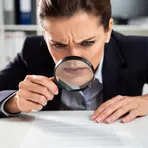 70
6.2
70
6.2
To look at something very carefully to check for mistakes
 59
4.9
59
4.9
To question someone firmly to get information
 35
5.1
35
5.1
To ask careful questions to find hidden information
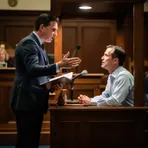 28
7.2
28
7.2
To question a witness in court after the other side asks them
 18
3.7
18
3.7
To ask a person a question to show doubt or get information
 16
3.7
16
3.7
To ask questions as part of an official investigation
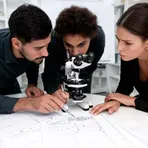 1
4.2
1
4.2
Look at a report or plan very closely to find small mistakes


 1
7.5
1
7.5
To question a witness closely in court after the other side questions them
Antonyms

How Closely
- Formal
28
7.2

- Formal
142
6.5
- Formal
53
3.1
862
2.7
∞
1.0
Surface Forms
Etymology
The word examine comes from the same Latin root examen, meaning 'weighing' or 'balance', and it is the same root as the common word exam. A helpful image is an exam that 'weighs' your answers, so to examine someone in a formal way is to question and test them carefully to find the facts.