

to evaporate
 45
3.5
45
3.5

- verb
- /ɪˈvæpəˌreɪt/
- If the wind is blowing strong, it'll evaporate more quickly.
- water evaporates
- evaporated salt
- evaporate the solvent
Loading YouTube…
Watch on YouTubeThe pure water will evaporate and leave the salt behind.
- The pure water will evaporate and leave the salt behind.
- Then it'll slowly start evaporating at a higher rate than it was gaining mass.
- And that's simply because the sun and the wind can't evaporate that far down yet.
- And the, the damp sand over time kind of just evaporated and dried out and the potatoes did not rot.
- It can dry the skin out and yes, in a spray probably evaporate pretty quickly, but I don't want the drying effect of that every single day.
Examples
-
As sweat evaporates, it pulls the heat from our skin.
-
The pure water will evaporate and leave the salt behind.
-
All the moisture in his body would evaporate.
-
It could get so hot that the water'll evaporate.
-
When you have more water evaporating because it's hotter, you have more clouds.
-
In other words, the Amazon exists because of the rainfall, and the rainfall exists because the Amazon evaporates water.
-
Put it in a pan and let the water evaporate in the sun and what you're left with is this crystalline substance.
-
Hot water evaporates quicker.
-
First, water in the atomized fuel immediately evaporates into steam as it enters the combustion zone.
Academic text (2012) -
As the sun heats the water in the puddle, it begins to evaporate into the air.
Synonyms
 33
1.0
33
1.0
To give off hot water in the form of gas when heated
 17
5.3
17
5.3
To change from a liquid into gas, usually by heating
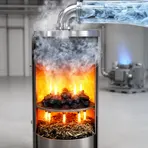 1
7.0
1
7.0
To change something into gas by heating it or by a chemical reaction
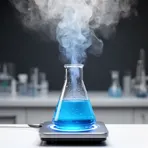

 1
9.6
1
9.6
To change a liquid or solid into a gas that rises into the air

Liquid like water that turns into gas because of heat

To change from a liquid into a gas and disappear
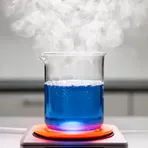
Changed from a liquid into a gas, often by heating
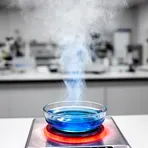
A material that turns into a gas when heated

Changed into a gas by heat or chemical reaction

To turn a liquid or solid into gas when heat makes it rise into the air
Antonyms

How Gaseous

Surface Forms
Morphology
Etymology
Evaporate comes from the parts e- 'out' and vapor 'steam'. At first it meant 'steam going out', and that is why today it means to change a liquid into steam or vapor when heated.