
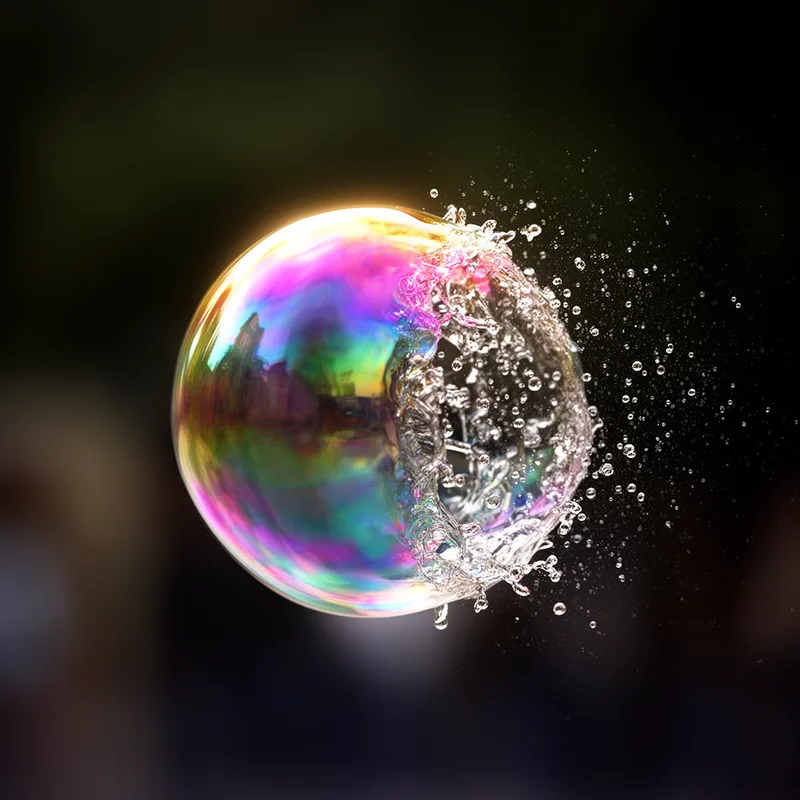
evanescent
 3
8.8
3
8.8

- adjective
- /ˌɛvəˈnɛsənt/
- Literature
- The beauty of the sunset was evanescent, disappearing within moments as night fell.
- evanescent and ephemeral
- evanescent wave
Loading YouTube…
Watch on YouTubeThis also works for evanescent waves, which usually get lost.
- This also works for evanescent waves, which usually get lost.
- The Escapist is not so subservient to the whims of evanescent fashion as are these opponents.
- They are clouds and evanescent mist like those imaginative representations.
Examples
-
"The songs were personal, unpremeditated, and evanescent, which made them extremely difficult to capture.
Academic text (2014) -
My angel, age three, sat on a footstool and flashed one after another of her evanescent, charming smiles.
Fiction book (1991) -
What follows is meant to explain to a wider public what that evanescent explosion of passion and reason was about.
Academic text (2002) -
The traffic of essential goods transformed into evanescent beauty: what could be more Venetian?
Academic text (2008) -
Pat Buchanan and David Duke enjoyed only evanescent celebrity status.
Academic text (1994) -
For centuries, Verid had begun her day watching these brilliant evanescent creatures in their garden, contemplating her own fate.
Fiction book (1998) -
Wisps of vapor drifted across the face of the asteroid, veiling its cratered surface with an evanescent atmosphere.
Fiction book (1992) -
Her joy was evanescent, fading quickly after she received the disappointing news.
-
The evanescent nature of childhood makes those moments all the more precious.
Synonyms


Antonyms
How Long

Surface Forms
Morphology
Etymology
Evanescent comes from the old Latin verb evanescere, which means 'to disappear', and it is related to the familiar English word vanish. So, think of a mist or a colour that quickly fades away — that's why evanescent means 'lasting only a short time'.