
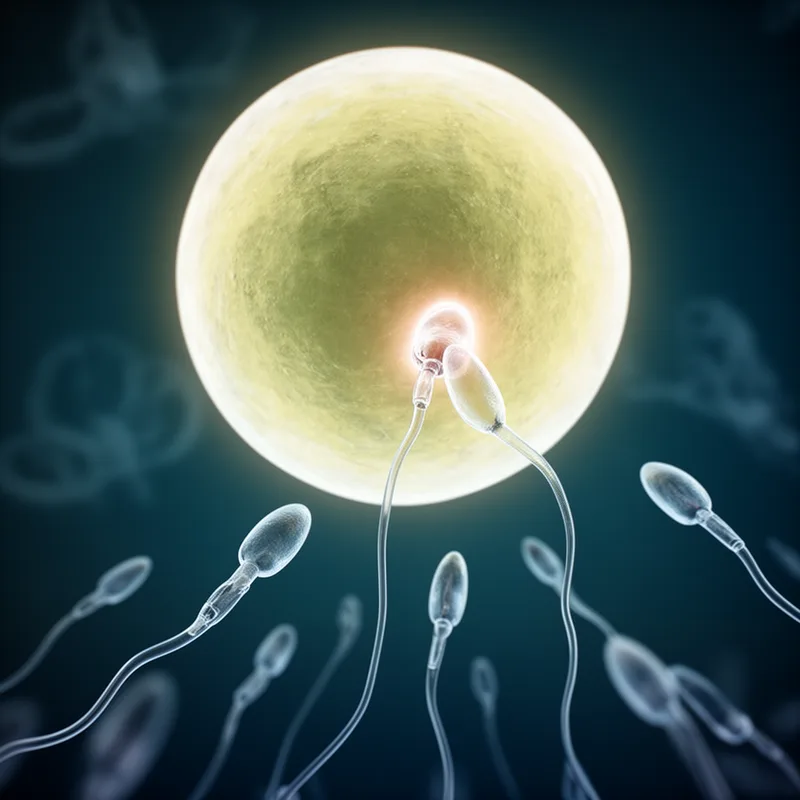
eupyrene
- noun
- Specialized
- Insects in this group produce two distinct sperm types: fertile "eupyrene" sperm and smaller, non-fertile "apyrene" sperm, which lack nuclei.
Examples
-
Insects such as bees and moths produce eupyrene sperm cells that are essential for successful fertilization.
-
Females who opted to remate had significantly fewer apyrene sperm from the first male in their spermathecae, whereas the numbers of stored eupyrene sperm did not differ.
Academic text (1999) -
The study focused on how the quantity of eupyrene sperm affects reproductive success in various insect species.
-
To ensure fertilization occurs, female insects often store eupyrene sperm for later use.
Antonyms
How Fertile
- Specialized

- Specialized
Surface Forms
Morphology
eupyrene = eu + pyrene
Formed from specialised combining elements (eu- + pyrene) used in entomological terminology, so knowing the components does not let an average learner reliably infer the technical biological sense.
Etymology
Eupyrene comes from Greek parts eu- 'good', as in euphoria, and -pyrene 'seed', so it literally means 'good seed' and refers to a normal, fertile sperm cell in certain insects.

