
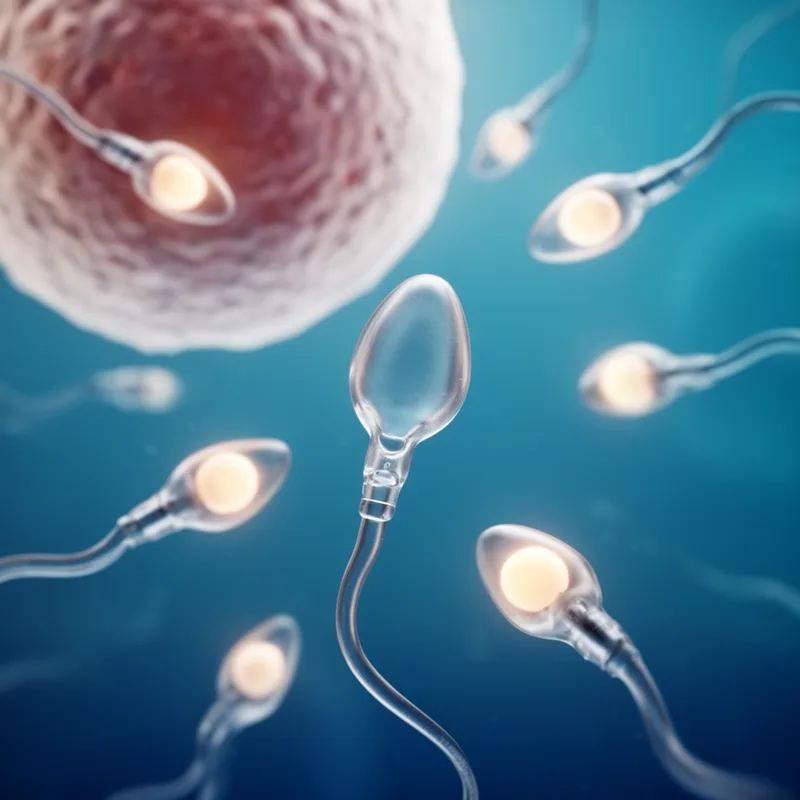
apyrene
- noun
- /ˌeɪpɪˈriːn/
- Specialized
- Insects in this group produce two distinct sperm types: fertile "eupyrene" sperm and smaller, non-fertile "apyrene" sperm, which lack nuclei.
- apyrene sperm
Examples
-
Cook and Wedell found that female receptivity to a subsequent mating was related to the number of stored apyrene sperm.
Academic text (1999) -
Cook and Wedell tested the hypothesis that males use apyrene sperm to fill the spermathecae to capacity and delay female remating.
Academic text (1999) -
Cook and Wedell concluded that "males may be using apyrene sperm to exploit a female system designed to monitor sperm numbers in storage to ensure maximum fertility."
Academic text (1999) -
"Apyrene sperm may take less energy to produce than eupyrene sperm, and thus could be used by males as cheap filler for the spermatheca.
Academic text (1999) -
These copulatory behaviors may also prevent sperm from new males from entering the competition before the female lays her eggs, in an effect similar to that achieved through the use of apyrene sperm in butterflies.
Academic text (1999) -
Females who opted to remate had significantly fewer apyrene sperm from the first male in their spermathecae, whereas the numbers of stored eupyrene sperm did not differ.
Academic text (1999) -
Researchers discovered that female butterflies can store apyrene sperm, which helps manage reproductive strategies without affecting fertility.
-
The study highlighted the role of apyrene sperm in insect mating, demonstrating that it does not contribute to fertilization.
-
In certain insects, apyrene sperm are produced alongside fertile sperm but do not carry genetic information.
How Fertile
- Specialized

- Specialized
Surface Forms
Morphology
Etymology
Apyrene comes from a- 'not' plus pyrene 'kernel' or 'stone', so the name means 'no kernel'. That is why an apyrene is a nonfertile sperm cell that lacks a nucleus and does not pass on genes.

