
ethylbenzene


 1
9.4
A colorless, flammable liquid used to make styrene and plastics
- noun
- /ˌɛθəlˈbɛnziːn/
- Specialized
:
etilbenceno
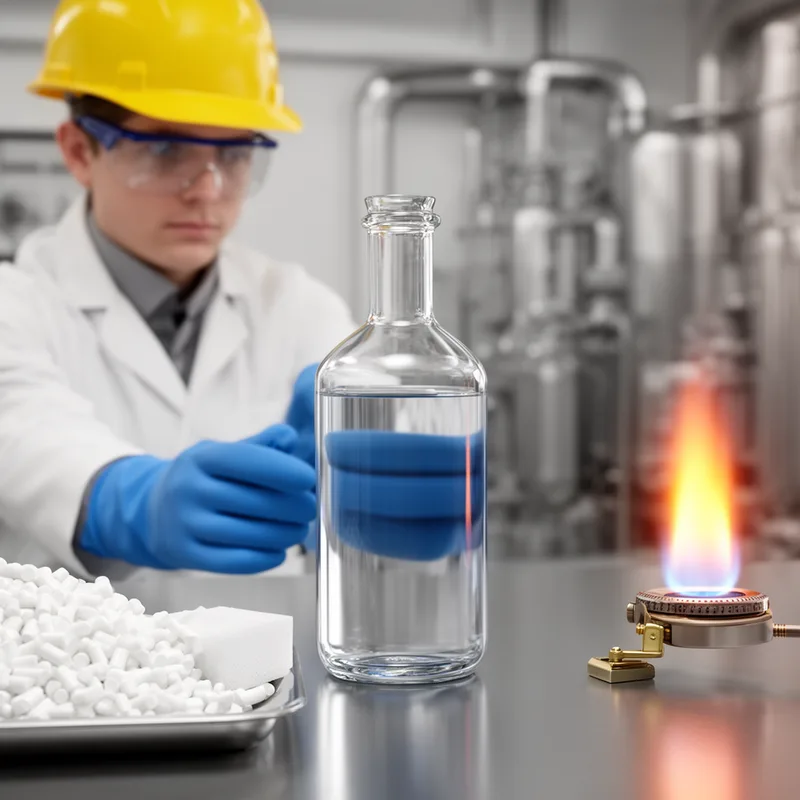
- Workers in manufacturing often handle ethylbenzene, which is known for its flammable properties.
Examples
-
In the chemical industry, ethylbenzene serves as a key precursor for numerous synthetic materials.
-
These chemicals can include potentially harmful substances such as ammonium bisulfite, ethylbenzene, hydrochloric acid, petroleum naphtha, toluene, and xylene, according to a DEP list.
Blog text (5) -
The chemical ethylbenzene is used mainly in the production of styrene, which is essential for making plastics.
Surface Forms
ethylbenzene singular
ethylbenzenes plural
Morphology
Etymology
Ethylbenzene combines two chemical parts: ethyl, the same part you find in ethanol and meaning a 'two-carbon part', and benzene, a 'ring' shaped molecule. So the name literally describes the molecule and explains why ethylbenzene is a colorless, flammable liquid used to make plastics.