
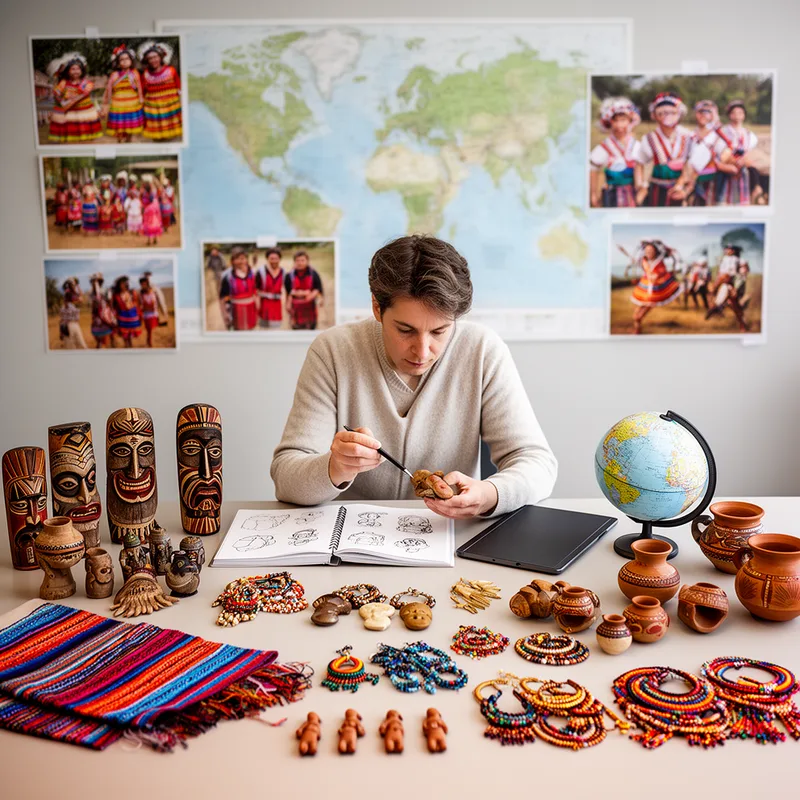
ethnological


 1
9.5
1
9.5
- adjective
- /ˌɛθnəˈlɒdʒɪkəl/
- Specialized
- Richard VanDerBeets, for example, asserts that the narratives "constitute valuable specimens of ethnological reportage" and "provide a wide range of ethnological data" on numerous "American Indian tribes."
- ethnological museum
- ethnological theory
- ethnological research
Examples
-
For him, the ethnological museums had the responsibility to secure and preserve this "raw material" for future research.
Academic text (2005) -
Such a man, he argued, would have known nothing of the ethnological or linguistic theories that undergirded modern racial classification.
Academic text (2001) -
I was under the impression his ideas were central to ethnological methodology.
-
Although other races received attention, Native Americans were the privileged object of ethnological scrutiny and knowledge.
Academic text (1996) -
The concept of the body underlies nineteenth-century ethnological theory.
Academic text (1996) -
The Malagasy people, with their ethnological origins and ecological struggles, will be stressed in the first third of the program.
Academic text (2001) -
I'm afraid my enthusiasm for collecting the ethnological scraps and fragments of a person's life began, in those moments, to desert me.
Fiction book (2001) -
Nott was famous for his 1854 book, Types of Mankind or Ethnological Research, which advanced a theory of the separate origins of the races.
Academic text (2006) -
In the multiple ethnological narratives written during the nineteenth century, representations of Native Americans articulated different social agendas.
Academic text (1996) -
The ethnological study revealed interesting similarities between the cultures of the two tribes.
Synonyms
 16
7.3
16
7.3
Relating to the study of people, their communities and cultures
 5
7.9
5
7.9
Relating to studies that describe people and their cultures

About studying different groups of people and how they live

Relating to the study of people and their cultures
Surface Forms
Morphology
Etymology
The word ethnological comes from the Greek word ethnos meaning 'people' and the ending -logy meaning 'study', like in ethnic. So, ethnological means the 'study of different peoples', which is why it describes research about cultures and traditions.