
estivation
- noun
- /ˌɛstəˈveɪʃən/
- Specialized
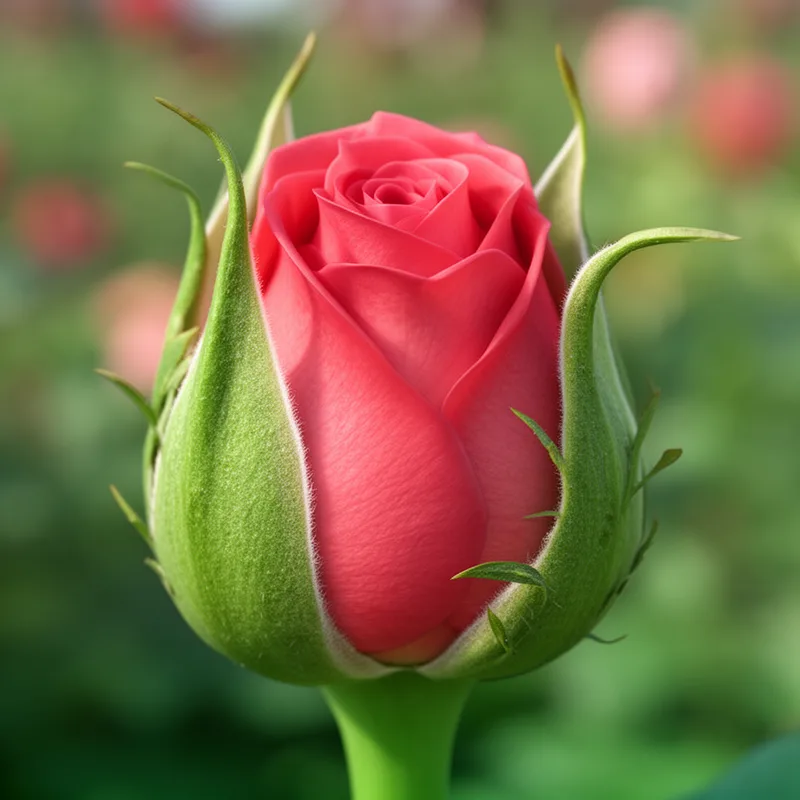
- The estivation of the rose petals is easily observed in unopened buds.
Examples
-
Spiral estivation can be seen in certain tropical flowers.
-
During estivation, the petals are tightly arranged.
-
Botanists study the pattern of estivation to classify different species of plants.
-
The estivation of the flower is crucial for its development.
-
Botanists study the pattern of estivation to classify different species of plants.
-
The estivation of the rose petals is easily observed in unopened buds.
-
Spiral estivation can be seen in certain tropical flowers.
Surface Forms
Morphology
estivation = estiv (opaque) = estiv + ation
The base 'estiv' is not a standalone English word and its meaning is not transparent to most learners.
Etymology
Estivation comes from the Latin root aestiv- (from aestas) meaning 'summer', and in botany it names the way a flower's sepals and petals are folded and lie together inside a bud. So, imagine the petals 'resting' or packed tight until the flower opens, which is why estivation describes that arrangement.

