
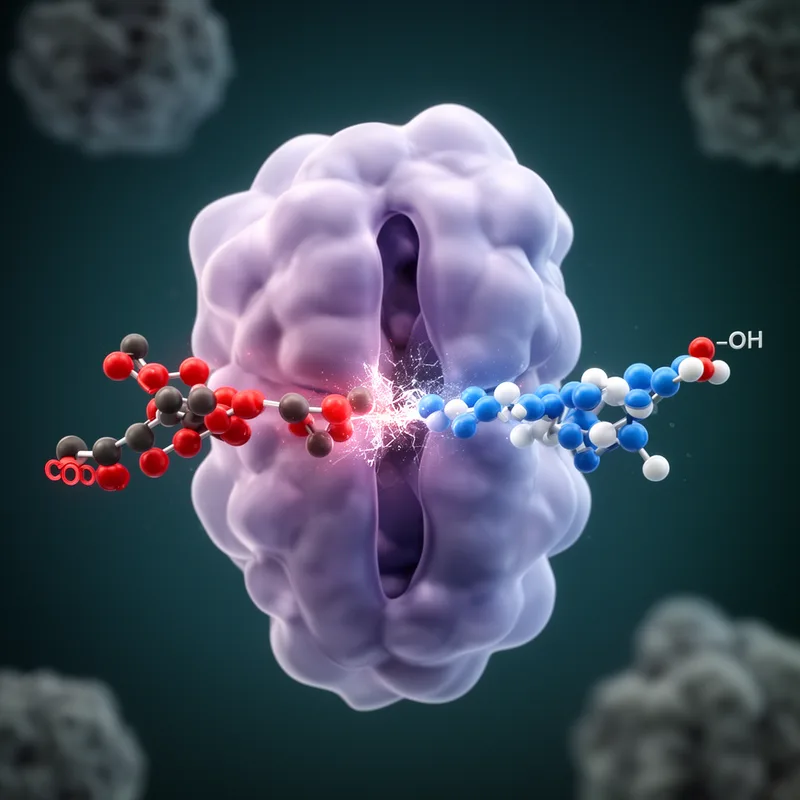
esterase


 1
7.0
- noun
- /ˈɛstərˌeɪz/
- Specialized
- Begin the reactions by adding 50 µl of the Amplex Red reagent/HRP/cholesterol oxidase/cholesterol esterase working solution to each microplate well containing the samples and controls.
Examples
-
In studying metabolic processes, scientists measured the level of esterase activity in liver samples.
-
And the idea was that enzymes called esterases in the body can clip off and metabolize the carboethoxy residue.
-
Carboxylesterase 1 is a serine esterase, responsible for the hydrolysis of ester- and amide-bond-containing substrates, including xenobiotics and drugs.
Academic text (2018) -
To minimize the inclusion of individuals with elevated protein secondary to infection, we further required a leukocyte esterase of less than 10/µL on the same urinalysis.
Academic text (2007) -
The enzyme esterase is crucial for breaking down dietary fats into fatty acids and alcohols.
-
Researchers found that the presence of esterase can enhance the detoxification of various compounds.
Surface Forms
Morphology
Etymology
Esterase comes from ester, the chemical part made from an 'acid' and an 'alcohol', and the enzyme ending -ase, as in lactase. So esterase is an enzyme that 'breaks down' esters into acids and alcohols.