
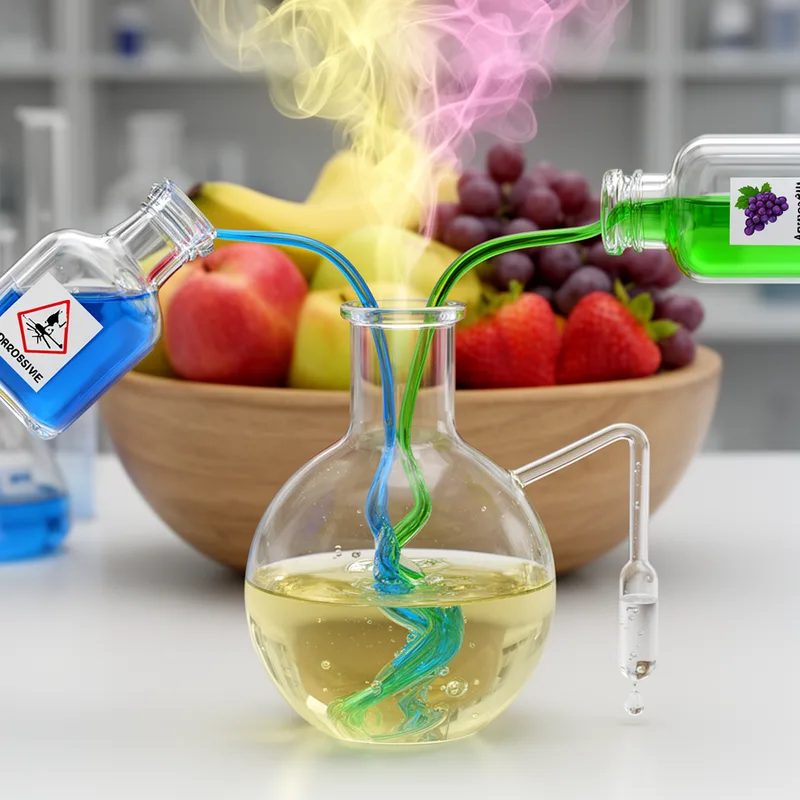
ester
 3
7.5
3
7.5

- noun
- /ˈɛstər/
- Specialized
- An initial charge of 80 kg of esters yields about 12 kg of purified omega-3 concentrates.
- vinyl ester
- phthalate esters
- ethyl ester
Loading YouTube…
Watch on YouTubeAnd or if you have a lower quality fish oil supplement, then you have what's called ethyl Ester form.
- And or if you have a lower quality fish oil supplement, then you have what's called ethyl Ester form.
- So that is the brand Snake water, ketone Ester and electrolytes.
- But in the last year or so I've started using liquid ketone esters.
- It's got stabilizers, polyphosphates, glycerol esters.
Examples
-
HyalofillT contains an ester of hyaluronic acid in a synthetic nonwoven matrix pattern that can be applied to a wound bed.
Academic text (2002) -
The reaction causes glycerin to separate from the oil and leaves an alkyl ester, which is biodiesel.
Academic text (2007) -
So this is an Ester, this is ethyl isobutyrate.
-
Saponification resulted in few natural esters; however, it led to lower recovery under some conditions.
Academic text (2006) -
Some research suggests that ethyl esters may not be as easy for your body to absorb.
Blog text (13) -
Sediments were initially saponified to free esters that occur naturally in the environment.
Academic text (2006) -
Oleic acid occurs as the esters, commonly the triglycerides, which are the greasy materials in cottonseed oil.
Academic text (2015) -
Allergic reactions are uncommon with lidocaine, but they may be more prevalent with the esters such as tetracaine and benzocaine.
Academic text (2004) -
Well, I'm sure you're aware that recently your subsidiary developed an organic, ester-based lubricant derived from kernel oil that makes...
-
An ester is often used in perfumes for its distinctive fragrance.
Compounds

- Specialized
A material people make by treating a plant material called cellulose with acid and use for plastics, films, and fibers
Surface Forms
Etymology
Ester comes from the German word Essigäther, which literally means 'vinegar ether' and was used for the fruity-smelling chemicals early chemists made. Because esters form when an acid (think 'vinegar') reacts with an alcohol and often smell like fruit, that old name fits the modern meaning.