

escape
 77
1.1
77
1.1

- noun
- /ɪˈskeɪp/
- There is no escape for you and your kind.
- offers no escape
- seek escape
- escape behavior
Loading YouTube…
Watch on YouTubeIs it the intention of radical escape from oneself?
- Is it the intention of radical escape from oneself?
- You know when you crave an escape from your life.
- There's no signpost, no, you know, no escape after you reach this point or anything like that.
- It's being used as escape and avoidance of the actual topic.
- It doesn't promise an out or an escape.
- So another sign is that you constantly fantasize about escape.
- No happy endings, no apologies, no excuses, no redemption, no escape.
- There was just no escape from the people who were caught in that madness.
- As ever, my reasons was an escape and my reasons was to not be me.
- That is a vice of escape.
- Your escape and evasion, you're thrown out in the middle of the mowers.
Examples
-
For many, reading is an escape from the pressures of daily life.
-
There was just no escape from the people who were caught in that madness.
-
Again, it provides the same kind of escape or cover.
-
Now that there was no chance of escape, he wanted to run and run and run.
Fiction book (1990) -
Once they see there is no escape, they learn to love it, or at least stop struggling.
Fiction book (1996) -
When a desire to escape becomes formal, it's dangerous.
-
For me, there's no escape from the mess I made.
-
You know when you crave an escape from your life.
-
Fox argued, to the contrary, that there could be no escape from compromise.
Academic text (1990) -
That's our escape route.
Synonyms
 111
4.9
111
4.9
A quick secret escape from danger or capture
 39
3.7
39
3.7
Keeping away from something or stopping it from happening
 38
6.2
38
6.2
Not doing something you must do, for example not paying taxes, by using tricks
 11
5.8
11
5.8
Choosing to avoid someone or to stop something from happening
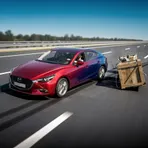 6
4.9
6
4.9
A quick move to avoid danger
 4
3.1
4
3.1
A situation in which someone just avoids danger or a bad result
 2
5.0
2
5.0
A quick movement to avoid someone or something, for example a ball


 1
8.1
1
8.1
Avoiding being caught by using clever plans or quick moves

A choice to avoid something on purpose
Compounds
 51
2.7
51
2.7
A staircase or metal ladder on the outside of a building used to get out during a fire
 4
4.1
4
4.1
A small door in a vehicle or building that lets people get out quickly in an emergency

- Specialized
1
7.7
The speed needed to leave a planet's or star's gravity without more push

- Formal
1
5.5
A part of a contract that lets one or both people cancel it in certain situations


- Jargon
1
6.5
The point when a company grows enough to support itself without extra funding


A performer who frees themselves from locks, chains, or traps in front of an audience

- Neologism
A person who designs and runs live puzzle rooms where players solve clues to find the exit


- Specialized
A device that opens by itself to let out extra pressure and prevent explosions

- Specialized
A wheel with teeth in a mechanical clock or watch that controls how the gears move

How Affected

Surface Forms
Etymology
The noun escape in the sense of avoiding something unpleasant also comes from ex- 'out' and cappa 'cloak', meaning a way of getting out. So a narrow escape from danger is a close 'getting out' from harm.