
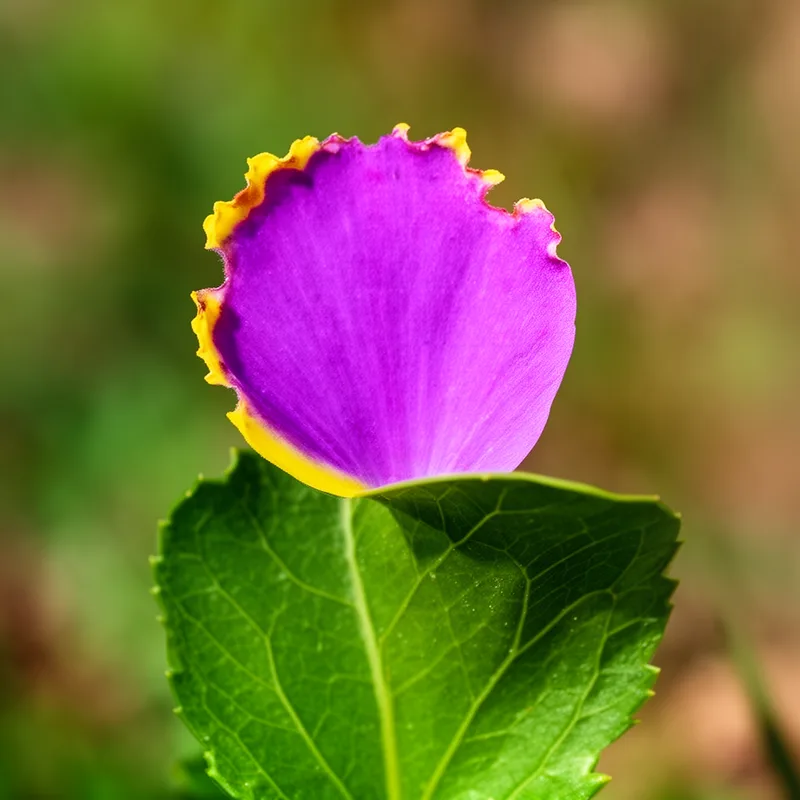
erose
- adjective
- /ɪˈroʊs/
- Specialized
- Many wildflowers have erose petals that give them a delicate, fringed look.
Examples
-
The leaf margins appeared erose, as if they had been eaten by insects.
-
The erose edges of the leaf indicated it was infested.
-
Botanists noted the erose edges of the specimens collected in the field.
-
The erose petals of the flower added to its unique beauty.
-
The erose edges of the leaf made it difficult to identify the plant.
-
Her bouquet included a rose with beautifully erose petals.
-
The old manuscript had pages with erose margins that showed signs of wear.
Synonyms
 22
3.6
22
3.6

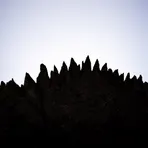
An edge or outline with rough, sharp points

 1
7.8
1
7.8
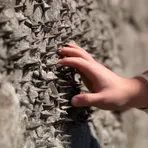
A surface that is rough and has many sharp points, like broken rock

With edges that have small cuts or gaps

Having a jagged edge with small points like teeth
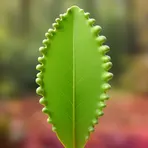
Having small rounded teeth along the edge, like on leaves or shells
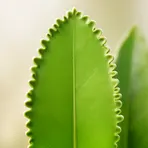
An edge with many small round notches
Antonyms

Compounds

How Jagged

Surface Forms
Etymology
The word erose comes from the Latin erosus, from rodere meaning 'to gnaw' or 'to eat away', the same root as in English erode. So erose describes an edge that looks 'gnawed' or 'notched', like a leaf or petal that seems bitten.