
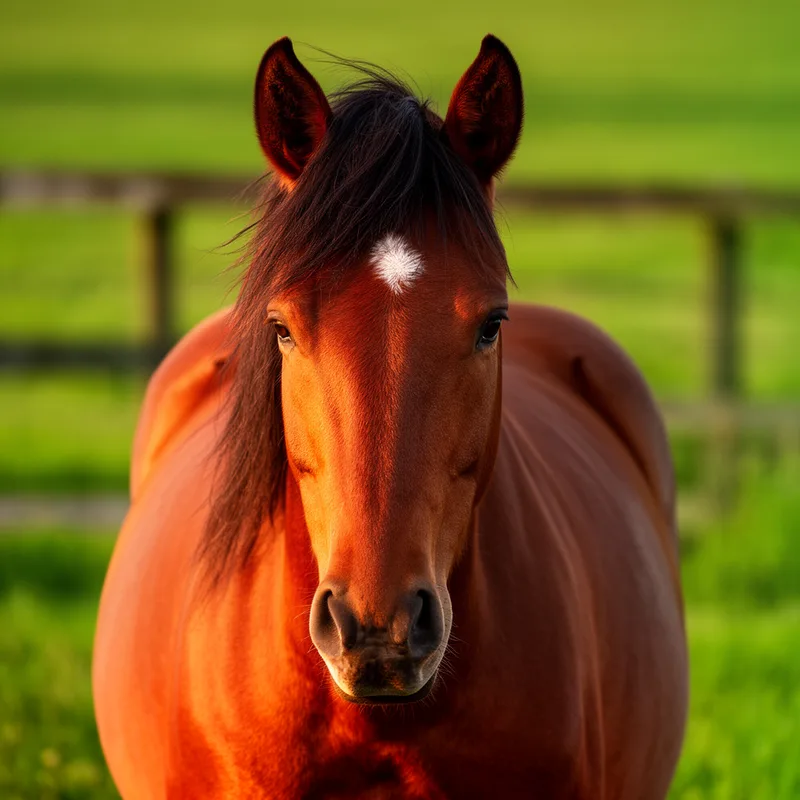
equine
 9
6.6
9
6.6

- adjective
- /ˈɛkwɪn/
- The equine features of the statue gave it a majestic appearance.
- equine strongyles
- equine law
- equine case
Examples
-
The equine athlete showed remarkable speed during the competition.
-
On the last podcast, I did mention equine therapy.
-
Girls living in the equine world.
Academic text (2018) -
What parts of him are human and what parts are equine?
-
We have a vet with a degree in equine dentistry.
-
Playfulness reveals yet another dimension of the equine world.
Academic text (2018) -
Murphy squatted there beside him, his long equine face waiting for that subtle body language.
Fiction book (1991) -
A long face, big teeth, lank hair, and eyes that shone with dark, equine clarity.
Fiction book (1996) -
Adding one more perspective, Annie conveyed playful elements from her equine life.
Academic text (2018) -
His excellency's royal stables preserve the purest equine bloodline in the world.
Synonyms


 1
6.0
1
6.0
Looking or behaving like a horse

Having the shape or movement of a horse

Having the shape or movement of a horse, often used in medicine to describe body parts
Compounds

- Specialized
1
8.5
A disease spread by mosquitoes from horses that causes swelling of the brain and can infect people

- Specialized
A serious disease of horses caused by germs that makes the nose and throat sore and swollen

- Specialized
A virus that makes a horse's brain and spinal cord swell and can spread to people by mosquito bites
How Horse-like

Surface Forms
Morphology
equine = horse (semi-transparent) = equi + ine
Related in meaning to 'horse', but formed from the Latin combining form 'equi-' plus the adjective-forming suffix '-ine', a formation that may not be obvious to average learners.
Etymology
The word equine comes from the Latin word equus, which means 'horse'. So equine describes anything 'relating to horses' or 'horse-like', which is why we talk about equine care or features.