
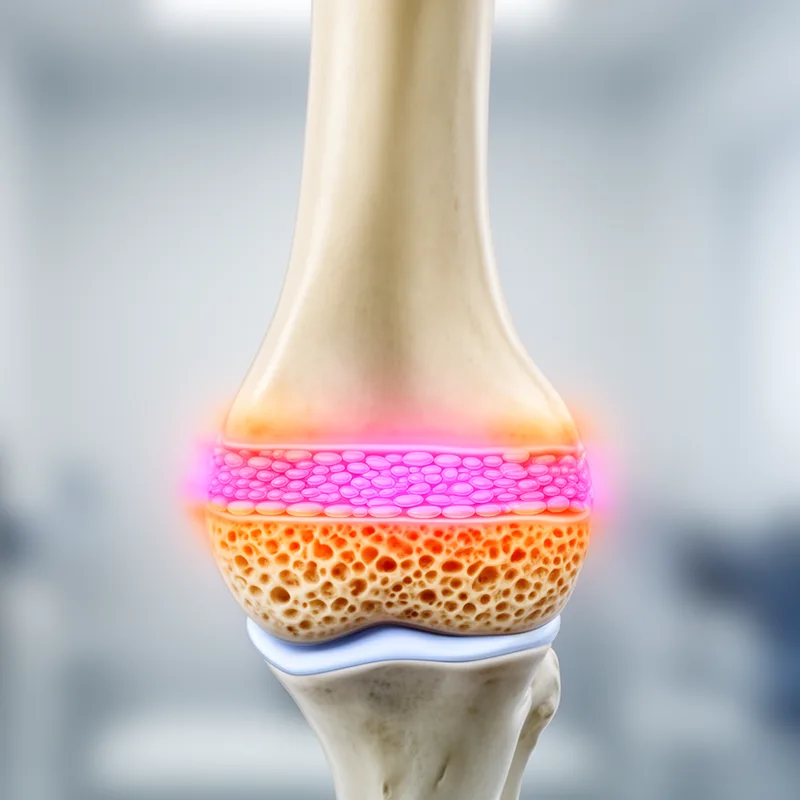
epiphyseal
 1
9.6

- adjective
- /ˌɛpɪˈfaɪziəl/
- Specialized
- An epiphyseal fracture can impede the normal growth of a child's bone.
- epiphyseal plate
Examples
-
An epiphyseal fracture or separation is usually caused by a shearing force that separates or splits the cartilage of the epiphyseal plate.
Academic text (2002) -
This is a fracture or separation that occurs along or through the epiphyseal plate of a growing bone.
Academic text (2002) -
So if you look here, this is these are epiphyseal connections in the finger bones.
-
But it was thought that you would injure the epiphyseal plates in the bone that would, you know, somehow stunt the growth.
-
A fracture is a structural break or disruption of the continuity of a bone, epiphyseal plate, or a cartilaginous joint surface.
Academic text (2002) -
A fracture may be intraarticular, epiphyseal, metaphyseal, or diaphyseal.
Academic text (2002) -
It takes a considerable amount of force to cause trauma to the epiphyseal plate, and this typically happens in an uncontrolled environment such as sports practices or games.
Blog text (18) -
An epiphyseal fracture or separation is usually caused by a shearing force that separates or splits the cartilage of the epiphyseal plate.
Academic text (2002) -
Doctors often monitor epiphyseal growth plates to assess a child's development.
-
Injuries to the epiphyseal region can lead to long-term complications in bone growth.
Synonyms

 1
9.9
Relating to the end part of a long bone that grows separately from the main part
Surface Forms
Morphology
epiphyseal = epiphysis (opaque) = epi + phys + eal
The adjective is formed from the technical noun 'epiphysis' plus '-eal', but the base term is specialized anatomy vocabulary and is not readily recoverable for average learners.
Etymology
The word epiphyseal comes from the parts epi- ('on') and physis ('growth'), so it points to the area 'on' a bone where growth happens. That is why epiphyseal describes the end part of a long bone, the growth plate that helps children grow.