

emmer


 1
9.9
1
9.9
- noun
- /ˈɛmər/
- US
- Many farmers have turned to emmer wheat due to its nutritional benefits for livestock.
- emmer wheat
- wild emmer
- emmer and spelt
Examples
-
She owns a 240-acre farm and contracts with five other farmers to grow spelt, emmer, and einkorn—all among the oldest cultivated grains.
Blog text (28) -
Historically, emmer was used widely in Europe before modern wheat became popular.
-
That makes it easier to find which emmer chromosome contains a resistance gene.
Academic text (1999) -
A wheat cousin called wild emmer has resistance genes that might be moved into domesticated wheat.
Academic text (1999) -
Emmer is a relative of durum wheat, which is used to make flour for pasta and pizza dough.
Academic text (1999) -
"When we find wheat-emmer hybrids that have a resistance gene or marker," Williams says, "we can select the best of these plants for further breeding."
Academic text (1999) -
Consider: "And you, take wheat and barley, beans and lentils, millet and emmer, and put them into a single vessel and make your bread from them."
Blog text (2) -
The atalhykans grew their own cereals, such as emmer wheat, and legumes, such as peas and lentils; they raised their own sheep and goats; and, to a lesser extent, they hunted wild cattle.
Academic text (2006) -
The ancient Egyptians cultivated emmer as a staple grain for making bread.
Synonyms

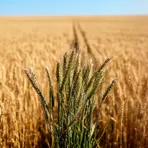
A kind of wheat also called emmer wheat used for bread and food for animals

A hard red wheat grown in Russia and Germany used mostly to feed farm animals
Compounds
Surface Forms
Etymology
Emmer comes from old German and Old English names for the same, very ancient 'wheat' that people have grown for thousands of years. So, emmer today means a hardy, red wheat often used for animal feed or for special breads.