

elevation
 1
6.4
1
6.4

- noun
- /ˌɛlɪˈveɪʃən/
- Specialized
- With nimble elevation, the Lunda Lubanza dancer went back and forth, back and forth while the chiefs held out monetary tribute for him each time he approached.
Examples
-
During the performance, the dancer achieved incredible elevation during her grand jeté, leaving the audience in awe.
-
In "The Spirit of the Classic Dance," for example, he describes three characteristics of ballet: elevation (modern vertical dancing, as opposed to the horizontal floor patterns of court ballet), turnout, and point work, showing how each stretches the dance into a new realm of meaning.
Academic text (1991) -
Turn 1 elevation is awesome!
Blog text (23) -
His impressive elevation when jumping over the bar made him a top contender in the ballet competition.
-
In that scene, her remarkable elevation during the leap highlighted her skill and training in ballet.
Synonyms
 274
4.0
274
4.0
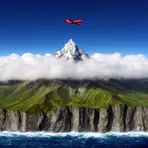
Height of a place measured from sea level or ground
 125
2.4
125
2.4
A small upward slope in land or a surface
 120
1.0
120
1.0
The distance of a place above sea level
How High
- Specialized
1
6.4

- Specialized
1
9.5
Surface Forms
Morphology
Etymology
Elevation comes from the Latin parts e- and levare, meaning 'to raise' or 'lift up'. In ballet it names how high a dancer can lift their body in a jump, so better elevation means a higher, impressive lift.