
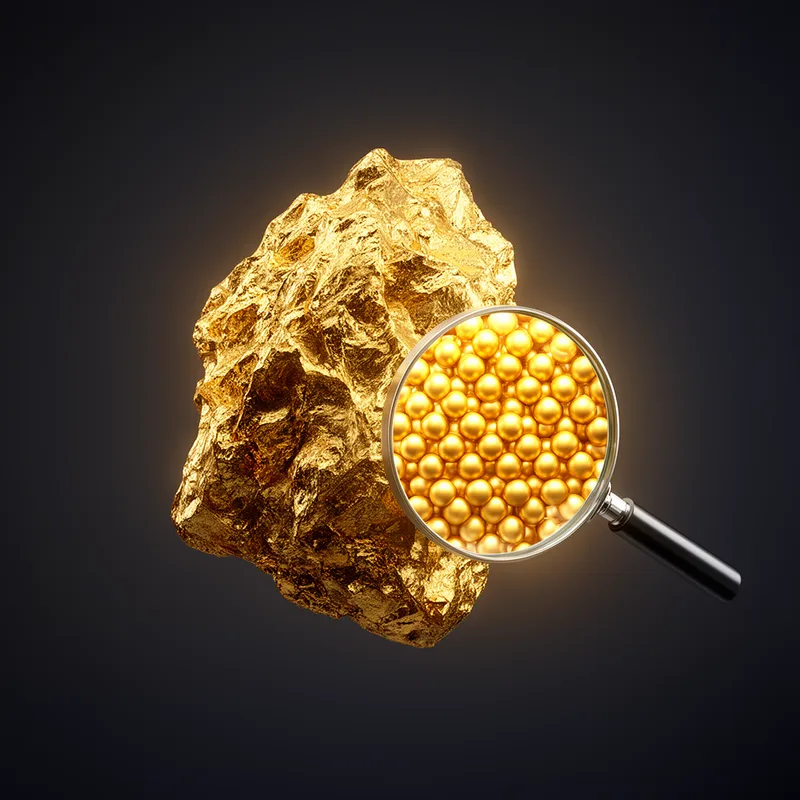
element
 102
3.5
102
3.5

- noun
- /ˈɛlɪmənt/
- Specialized
- Nuclear fusion in the center of stars produces elements such as carbon, nitrogen, and iron.
- chemical elements
- periodic table of elements
- atomic elements
Loading YouTube…
Watch on YouTubeSulphur is an element which sustains our life on Earth.
- Sulphur is an element which sustains our life on Earth.
- The stars produce all the other elements, so gravity and hydrogen.
- Carbon is highly reactive with other elements, so that's good.
- That's there's a chart that explains all of the basic elements that make up our world.
- It's a compound of two atoms or elements.
- There's there's elements, but we came from the furnaces of stars.
- And it's because an atom of a specific element that's in the sun has absorbed it.
- We can ask, is the abundance of elements similar to solar system materials?
Examples
-
High mass stars build elements from hydrogen up to iron.
-
The Gamma Ray Spectrometer will study chemical elements on or near the surface of Mars.
Academic text (1992) -
Transfer of knowledge and skills is a key element of high school education.
Academic text (2011) -
But in fact, chlorine is the most important element for public health and medicine.
-
Iron ore is a naturally occurring element found in the earth's crust.
Academic text (2008) -
Researchers confirmed the existence of a new element on the periodic table created through nuclear fusion.
-
In chemistry, everything sits somewhere on the periodic table so the constituent elements of any material can be determined.
-
High mass stars build elements from hydrogen up to iron.
Synonyms
 3
3.7
3
3.7
A pure substance made of atoms that all have the same number of protons, like oxygen or gold
Idioms

Compounds


- Specialized
5
4.4
A very small amount of a metal or mineral the body needs to stay healthy
- Specialized
3
3.7
A pure substance made of atoms that all have the same number of protons, like oxygen or gold

- Specialized
2
3.4
A metal part inside a kettle, oven, or heater that gets hot to make things warm


- Specialized
1
4.2
A natural substance, usually shiny, that lets electricity pass through it and can be shaped into sheets or wires


- Specialized

 1
9.8
1
9.8
A man-made radioactive element with atomic number 115 called moscovium
 1
9.9
1
9.9
A fictional substance said to give great power in stories and games, not the real chemical element

- Specialized
A type of atom like carbon, silicon, tin, or lead found in Group 14 of the periodic table
- Specialized
A radioactive metal with atomic number 104 that scientists make in labs and that does not occur in nature



- Specialized
A very heavy radioactive metal made by scientists with atomic number 109

- Specialized
A man-made radioactive element with atomic number 110 called darmstadtium
- Specialized
A very heavy radioactive metal made in labs that has very unstable atoms

- Specialized
A radioactive element made in a lab named nihonium with the number 113 that lasts only a short time

- Specialized
A radioactive, unstable metal that scientists make with atomic number 114 called flerovium

- Specialized
A heavy element with number 116 made by people that is radioactive and called livermorium


- Specialized
A small electronic part that makes a simple choice, like an AND or OR gate

- Specialized
A set of elements like carbon and silicon that behave alike in chemistry

- Specialized
An element that leaves other elements unchanged when used with an operation, like 0 for addition or 1 for multiplication

- Specialized
A metal such as cobalt or nickel that has properties similar to other metals in the same group


- Specialized
A device that detects heat, light, pressure, or movement and produces a signal
- Specialized
A part of a circuit that gives an output only when the input reaches a set level

- Specialized
A chemical element that has a higher atomic number than uranium and is radioactive
How Pure
- Specialized
102
3.5
 390
1.0
390
1.0
- Specialized
1
3.2
2
4.2
- Specialized
55
3.5
Surface Forms
Etymology
Element comes from Latin elementum, meaning a 'basic part', so a chemical element is a simple substance you cannot break down into smaller kinds of matter.