
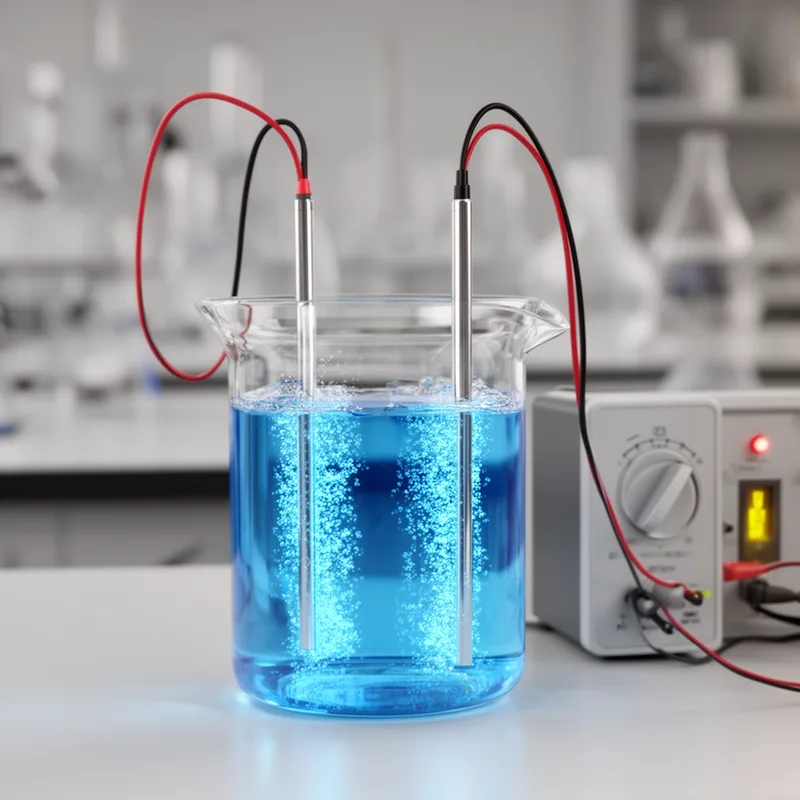
electrolytic cell


 1
7.3
1
7.3
- noun
- /ɪˌlɛk.trəˈlɪt.ɪk sɛl/
- Specialized
- The very large electric current passing through the electrolytic cells generates a powerful magnetic field, and this can stir the molten aluminum with magneto-hydrodynamic forces in properly designed cells.
Examples
-
Urine is put into an electrolytic cell, which cracks the urea into nitrogen, water, and hydrogen.
Blog text (33) -
The concentration of metal ions in water leaving the electrolytic cell depends on the current and water flow past the electrodes.
Academic text (2001) -
An electrolytic cell is essential for splitting water into hydrogen and oxygen gas during the electrolysis process.
-
The experiment demonstrated how an electrolytic cell could efficiently produce chlorine from saltwater.
-
In industrial applications, an electrolytic cell is used to coat metal objects with a thin layer of other metals.
Synonyms
 1
7.6
1
7.6
A machine that uses electricity to split chemicals into simpler parts
Antonyms

- Specialized
A device that makes electricity from a reaction between two metals and cannot be charged again
Surface Forms
Morphology
The noun phrase is a straightforward composition: 'electrolytic' (relating to electrolysis) modifies 'cell' (a device/unit), so a learner who knows both constituents can infer it denotes a cell used for electrolysis. While full technical details (e.g., external voltage, non-spontaneous reactions) require domain knowledge, the basic meaning is transparently derivable from the parts and follows regular modifier+noun patterns.
Etymology
The noun electrolytic cell gives a simple picture: electrolytic comes from 'electrolyte', a liquid that carries electricity, and cell is 'a small container'. When electricity is sent into that container it forces the liquid to change, for example to 'split water' into hydrogen and oxygen, so the term means a device where electric power makes a chemical change.