
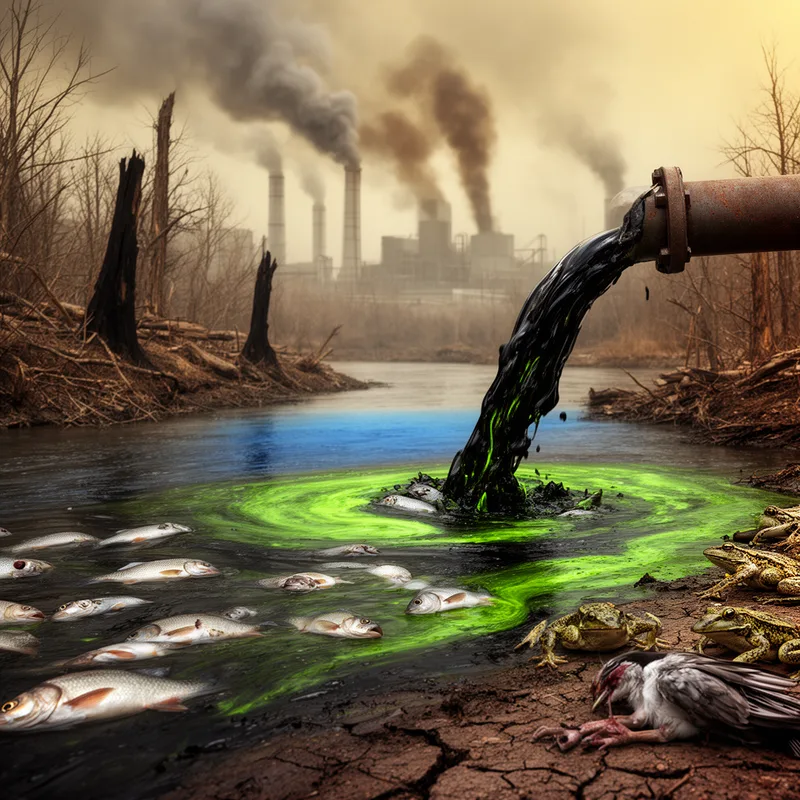
ecocidal
- adjective
- /ˌiːkoʊˈsaɪdəl/
- Her research focuses on the ecocidal impacts of climate change on coastal ecosystems.
Examples
-
I'm optimistic that the fish and herpetiles will thrive once the ecocidal ape is extinct.
Blog text (5) -
Many experts agree that industrial pollution is a major ecocidal threat to wildlife habitats.
-
People should recognize that ecocidal apes are what we are.
Blog text (5) -
In an ecocidal age, I have proposed that we reenvision the Spirit as the cruciform Spirit who bears in herself the deep wounds caused by our sins against the earth community.
Academic text (2000) -
The Earth Spirit is the wounded God who daily suffers the environmental violence wrought by humankind's unremitting ecocidal attitudes and habits.
Academic text (2000) -
It is both the origin of the ecocidal "disease" from which we suffer and its "cure," insofar as it provides resources for a new green mindset toward nature that is a prophylactic against antinature attitudes and habits.
Academic text (2000) -
The logging practices in the rainforest have shown ecocidal effects, leading to loss of biodiversity.
Antonyms

How Destructive


Surface Forms
Morphology
ecocidal = ecocide (semi-transparent) = eco + cide + al
The adjective is formed regularly from the specialist noun 'ecocide' with '-al', but the base term itself is technical and not likely to be fully known by average learners.
Etymology
Ecocidal comes from eco- meaning 'home' and -cide meaning 'killing', as in suicide or pesticide. So ecocidal describes actions that 'kill' or destroy the natural home and cause large-scale harm to the environment.