
dystrophic
- adjective
- /dɪsˈtroʊfɪk/
- Specialized
- The researchers found that the dystrophic lake supported only a few hardy species of plants and animals.
Examples
-
Because the soil was dystrophic, farmers struggled to grow crops in the region.
-
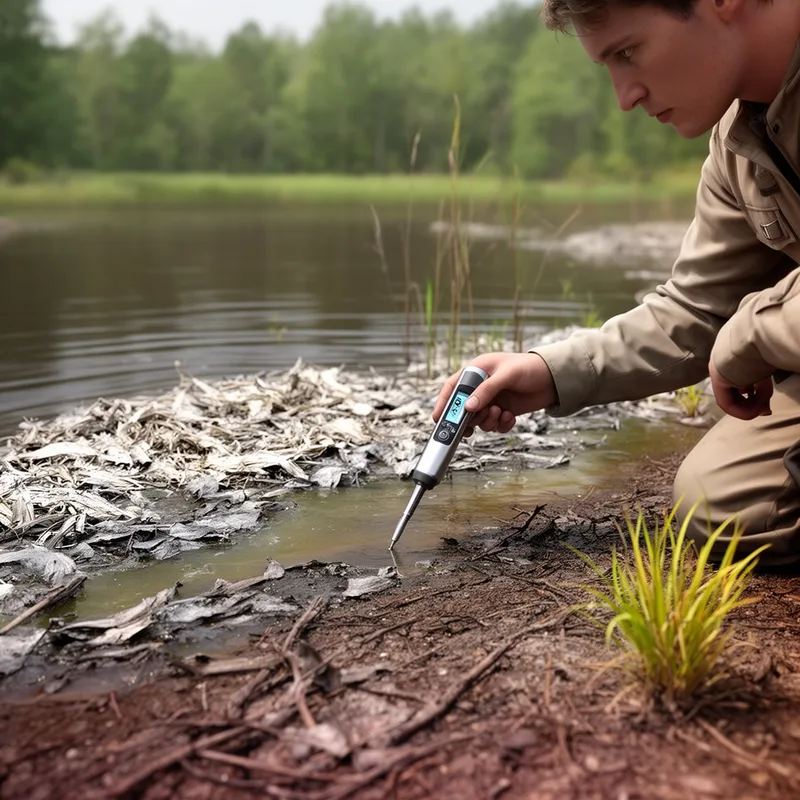
Scientists measured the water's acidity to confirm it was a dystrophic environment.
-
The dystrophic lake was teeming with decaying plant matter.
-
Many dystrophic environments struggle to support diverse aquatic life.
-
The researchers found that the dystrophic lake supported only a few hardy species of plants and animals.
-
Because the soil was dystrophic, farmers struggled to grow crops in the region.
-
Scientists measured the water's acidity to confirm it was a dystrophic environment.
Synonyms

A place with very little food for plants or animals

Not having many different kinds of plants or animals
Antonyms


Surface Forms
Morphology
dystrophic = dystrophy (semi-transparent) = dys + troph + ic
Formed from 'dys-' (bad) + 'troph' (nutrition) + '-ic', but the ecological sense ('acidic, nutrient-poor' lake) is a specialized semantic extension and may not be obvious to general learners.
Etymology
Dystrophic comes from Greek parts dys- meaning 'bad' and -trophic from trophe meaning 'nourishment'. So a dystrophic lake or soil is a place with 'bad nourishment' — acidic and full of rotting matter but low in the food and nutrients plants and animals need.