

dysmorphia
- noun
- /dɪsˈmɔrfiə/
- Specialized
- Genetic disorders can sometimes result in dysmorphia affecting the limbs or skull.
Examples
-
The doctor noticed signs of dysmorphia in the patient's facial features during the examination.
-
The child was born with a rare form of dysmorphia.
-
Early detection of dysmorphia is important for planning appropriate medical care.
-
Doctors diagnosed her with dysmorphia after examining her.
-
The doctor noticed signs of dysmorphia in the patient's facial features during the examination.
-
Genetic disorders can sometimes result in dysmorphia affecting the limbs or skull.
-
The child was born with a rare form of dysmorphia.
Synonyms
 31
6.1
31
6.1

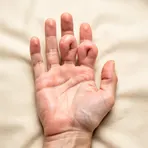
A part of the body that has an unusual shape due to birth, injury, or disease
 30
3.2
30
3.2
A health problem a baby has when they are born
 9
7.3
9
7.3
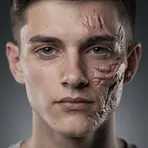
A visible change that makes parts of the body look damaged after injury, disease, or birth defect
 7
6.7
7
6.7
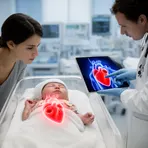
A body part that forms in a wrong way before birth, for example the heart or spine
 3
4.2
3
4.2
A problem in the body or how it works that is present at birth
 1
5.4
1
5.4
A health problem in the body or the way it works that is present when a baby is born
 1
6.0
1
6.0
A body or organ problem present when a baby is born
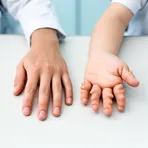
A condition when a body part has an unusual shape, for example a hand or nose
Antonyms

How Abnormal
- Specialized
 ∞
1.0
∞
1.0
Surface Forms
Morphology
dysmorphia = dysmorph (semi-transparent) = dys + morph + ia
The suffix '-ia' indicates a condition, which aligns with the physical malformation meaning.
Etymology
Dysmorphia comes from Greek parts dys- meaning 'bad' or 'difficult' and morph meaning 'form' or 'shape'. So, it can also mean a real physical 'bad shape' or wrong shape of a body part, which is why doctors use it for physical differences often present from birth.