
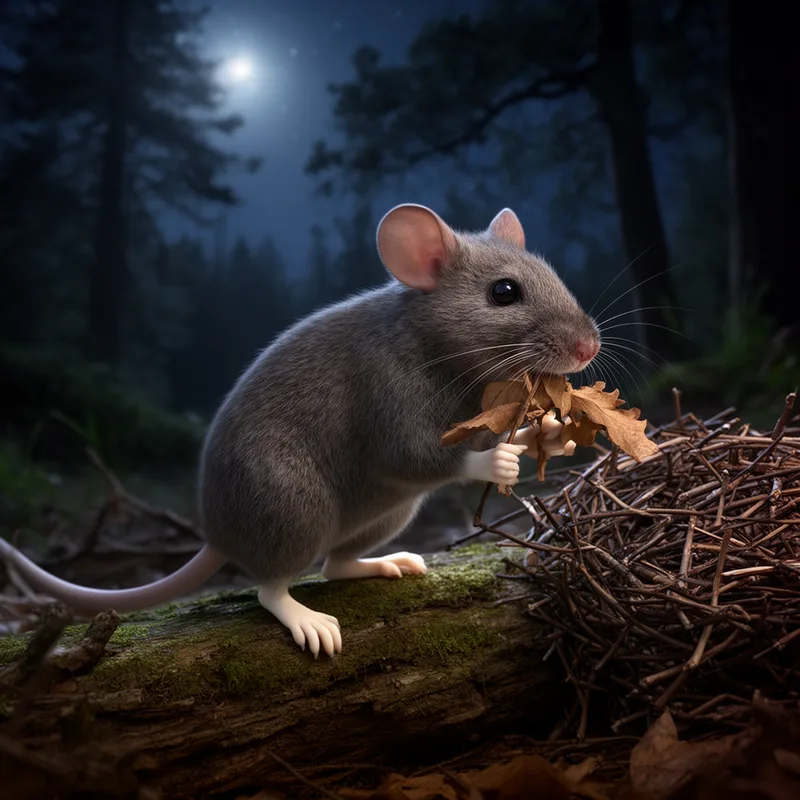
dusky-footed woodrat
- noun
- /ˈdʌskiˈfʊtɪd ˈwʊdˌræt/
- US
- The dusky-footed woodrat collects leaves and twigs to build its distinctive stick nests.
Examples
-
Researchers have studied the dusky-footed woodrat to better understand its role in the forest ecosystem.
-
Tick populations in some regions are influenced by the presence of the dusky-footed woodrat.
-
Look at that dusky-footed woodrat!
-
The dusky-footed woodrat is known for its large size.
-
Researchers have studied the dusk-footed woodrat to better understand its role in the forest ecosystem.
-
The dusk-footed woodrat collects leaves and twigs to build its distinctive stick nests.
-
Tick populations in some regions are influenced by the presence of the dusk-footed woodrat.
Synonyms



 1
7.3
1
7.3
A small North American animal like a rat with a bushy tail that collects objects
 1
6.7
1
6.7
A small wild animal like a rat that lives in forests, builds nests, and often collects things
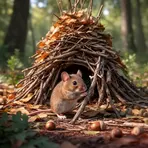
A small animal like a mouse from western North America that builds large dens from sticks and leaves
A North American wood rat with dark feet that builds large stick nests

A small rodent like a mouse from North America with a bushy tail that collects things for its nest

A small animal like a mouse with a thick bushy tail that lives in western North America and stores food

A small animal with a bushy tail that collects and hides small things

A small North American animal like a rat that collects things to build nests
Surface Forms
Morphology
dusky-footed + woodrat
This is a compositional descriptive noun phrase: 'dusky-footed' means having dusky (somewhat dark) feet and 'woodrat' is a rat associated with woods, so the overall meaning (a kind of rat with dusky feet) is directly derivable from the parts. Even though it names a specific species, a B1 learner who knows the constituent words can infer the general referent, so it is transparent.
Etymology
The name dusky-footed woodrat comes from how the animal looks: it is a woodrat with darker, or 'dusky', feet, so 'dusky-footed' simply means 'having dark feet' and the name helps people tell this type of rat from others.