
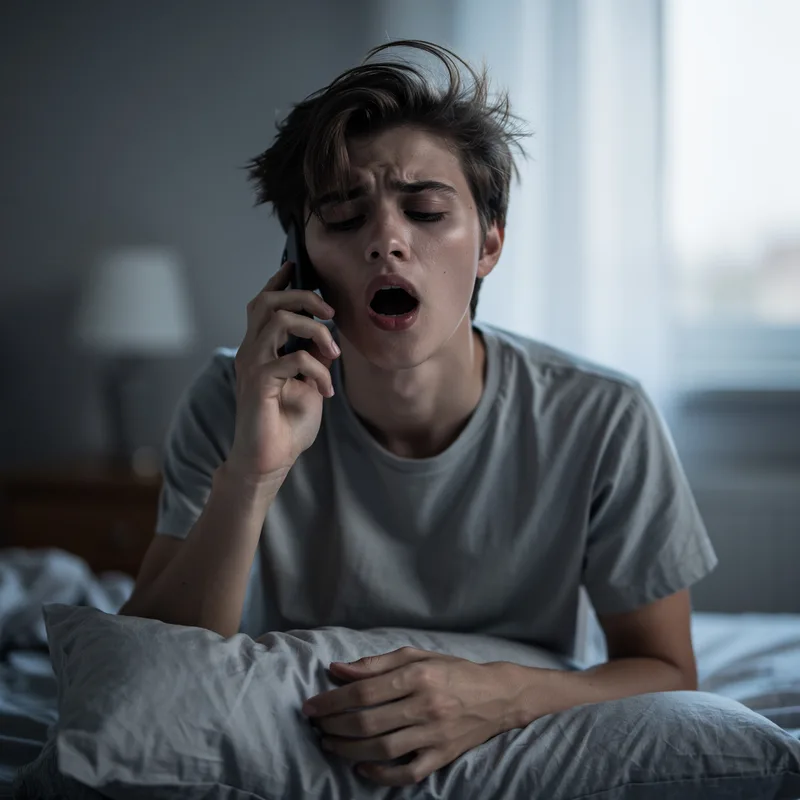
drowsily
 1
2.4
1
2.4

- adverb
- /ˈdraʊzɪli/
- He drowsily stumbled out of bed, still trying to wake up fully.
- said drowsily
- murmured drowsily
- sat drowsily
Loading YouTube…
Watch on YouTubeMother sat up, rubbed her eyes drowsily, her breaths like Breakers.
- Mother sat up, rubbed her eyes drowsily, her breaths like Breakers.
Examples
-
Sitting there drowsily, Pablo began to feel that he was being watched.
Fiction book (1996) -
As if he had been expecting her, he answered drowsily.
Fiction book (1991) -
"Not bad for an old bag," he said drowsily into my hair.
Fiction book (1998) -
"What is it?" Charlotte asked drowsily at his side.
Fiction book (1990) -
"I should like that," the boy said drowsily.
Fiction book (1996) -
"Hi," said the Ant King drowsily.
Fiction book (2001) -
"Good night, Old Raccoon," Small Mouse said drowsily.
Fiction book (2000) -
Drowsily, she dialed the number directly and waited for Mr. Smith to answer it.
Fiction book (1991) -
The children moved drowsily, and she was annoyed at their sluggishness.
Fiction book (1996) -
As dawn streamed through the curtains in Great-Aunt Mary's immaculate bedroom, Meredith lay drowsily between the clean white sheets of the four-poster bed.
Fiction book (1991)
Synonyms
 23
3.0
23
3.0
In a tired way that shows little energy
 7
1.0
7
1.0
Someone moves or speaks in a tired, half-awake way
 3
4.1
3
4.1
In a sleepy, slow, confused way after waking or when very tired
 3
7.0
3
7.0
In a slow, relaxed way with little energy
 3
1.6
3
1.6
In a way that shows little energy
 1
7.0
1
7.0
In a tired, half-awake way with blurry eyes
 1
8.5
1
8.5
Move or act in a slow, relaxed way with little energy


 1
4.9
1
4.9
In a very tired way after a long effort
 1
6.7
1
6.7
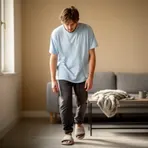
Slowly and without energy

In a sleepy, slow way as if just waking up

In a sleepy way, as if nearly asleep
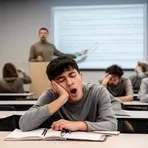
In a way that shows boredom or makes people tired

In a slow, tired way showing little energy
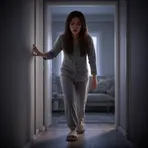
In a slow, dull way because you feel sleepy, drunk, or shocked
Antonyms


How Sleepy

Surface Forms
Morphology
Etymology
Drowsily comes from the adjective drowsy, which comes from the verb drowse meaning 'to be half asleep', and the ending -ly turns it into a word that shows how something is done. So, to do something drowsily is to do it in a slow, sleepy way.