

drouth
- noun
- /draʊθ/
- Archaic
- The drouth has affected the crops this year.
Examples
-
After a ten-year drouth of championships, the team finally claimed victory.
-
The severe drouth lasted for two years, devastating crops across the region.
-
Many families left the area during the drouth, searching for better living conditions elsewhere.
-
After months of drouth, the farmers were worried.
-
The prolonged drouth caused the crops to wither and the rivers to dry up.
-
After months of drouth, the farmers were relieved when the rains finally came.
-
The severe drouth in the region led to water restrictions and a heavy toll on wildlife.
Synonyms
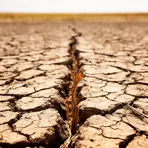
 178
3.7
178
3.7

A long time with no rain that makes the land very dry
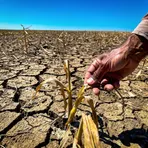 15
3.6
15
3.6
A period with little or no rain that can mean a time without success
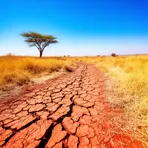 11
2.8
11
2.8
A period with very little rain in tropical areas
Antonyms


How Dry
- Archaic
 15
3.6
15
3.6
Surface Forms
Etymology
The word drouth comes from an old English word for dry, so it literally meant 'dryness'. That's why a drouth is a long time with little or no rain, or any long period of shortage.