

dried


 1
1.0
1
1.0
- adjective
- /draɪd/
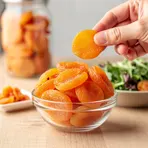
- He prefers to snack on dried apricots instead of fresh fruit for their longer shelf life.
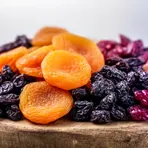
- dried fruit
- dried flowers
Loading YouTube…
Watch on YouTubeAnd how nicotine gets from these plants, these dried leaves into the bloodstream.
- And how nicotine gets from these plants, these dried leaves into the bloodstream.
Examples
-
Dried fruits were his food, with another food like small stones that grew soft when boiled.
Fiction book (2001) -
I am now the proud owner of White Chocolate Bark with Dried Fruit, Nuts, and Candied Ginger.
Blog text (14) -
So those went up there along with these dried grass seed heads.
-
Dried flowers were his hobby.
Fiction book (1995) -
So we have two, two dried rosebuds.
-
OK, who wants to try some dried aged cod?
-
They're the most valuable dried seafood product per weight.
-
We have dried Lily flour, dried black fungus strips.
-
Dried Fruit
Blog text (25) -
He's got a bunch of dried poppies from the florist shop.
Synonyms
 18
3.5
18
3.5
No longer holds water and is very dry, like a riverbed or plant
 8
2.8
8
2.8
Completely dry because it has no water left
 6
4.1
6
4.1
Food with most water removed by freezing and drying so it keeps for a long time
 4
3.4
4
3.4
Made by leaving food or things in the sun so they last longer
 1
3.6
1
3.6
Food with most water removed so it lasts longer
 1
4.4
1
4.4
Left to dry in the air without using heat
 1
6.5
1
6.5
Wood or clay that is heated in a hot oven to remove water before use
 1
3.6
1
3.6
Left in the sun until it loses its water

Completely dried so it has no water left

Meat or fish kept for a long time by hanging near a wood fire

Hot air dries a liquid into a powder after people put it into the air as small drops
Antonyms


Compounds

- Specialized
6
4.1
Food with most water removed by freezing and drying so it keeps for a long time

How Dry

Surface Forms
Morphology
Etymology
Dried comes from dry (an old English word meaning 'not wet') plus the ending -ed, so it means 'made dry'. People long ago dried fruit and meat in the sun or over smoke to take away water so the food would last longer, which is why dried food is food preserved by removing moisture.