dressed

dressed

765 1.0
Wearing special clothes for an occasion, for example a party
  • adjective
  • /drɛst/
: vestido
  • Yes, I mean, you're dressed in bright colors today.
  • well-dressed
  • get dressed

I just see weak boys dressed like clowns.

Autoplay Next

Examples

  • I'M DRESSED.

  • You know, why would you go out dressed like that now?

  • And so my job was to make sure he was dressed and dressed well.

  • In your opinion, who was the worst dressed at the Met Gala?

  • She shows up for the first day of work dressed like a tiger.

  • I MEAN, JUST LOOK AT THE WAY MY KIDS ARE DRESSED.

  • I THOUGHT HE'D BE BETTER DRESSED.

  • She's ravishing, stunning, a knockout bombshell dressed to kill a femme fatale.

  • I'M ALL DRESSED.

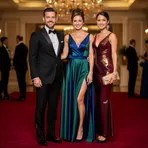
  • He arrived at the wedding dressed in a sleek black suit and tie.

Synonyms

well-dressed
vsdressed
50 2.4

Wearing neat, clean clothes that look smart, like a suit or nice shirt

is the neutral term for wearing clothes, not praising style
suited
vsdressed
49 3.5

Wearing clothes made for a certain job or event
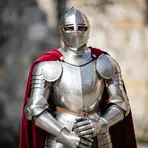
is broader, covering wearing clothes for style or social occasions generally
clad
vsdressed
48 6.5

Wearing clothes of a certain kind
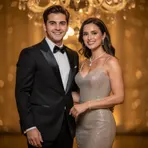
focuses more on occasions or style rather than mere covering
dressed-up
vsdressed
46 2.7

Wearing special formal clothes for a party or event

is the general idea of wearing clothes, not only for special events
clothed
vsdressed
37 1.0

Wearing clothes to cover the body

emphasizes clothing choice for particular styles or special occasions
clad in
vsdressed
17 3.9

Wearing a certain kind of clothing or covered with a material
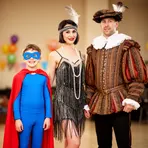
stresses clothing choice for style or special events rather than material
costumed
vsdressed
14 4.1

Wearing special clothes to act as someone else or to look like people from another time

is the general label for wearing clothes rather than role-specific attire
outfitted
vsdressed
13 3.9

A person or place that has the equipment and clothes needed for an activity

is the general concept of wearing clothes, not about provision or supply
dressy
vsdressed
13 3.6

Suitable for formal events like a wedding or party
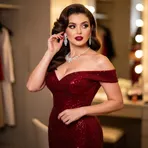
is the term for wearing clothes, not a quality of garments or events
dolled up
vsdressed
  • Informal
13 6.9

Dressed in fancy clothes and makeup for a special event

is the general concept of wearing clothes, not emphasizing makeup or showiness
attired
vsdressed
  • Formal
8 5.4

Wearing special or formal clothes

is the neutral everyday term for wearing clothes for events or style
robed
vsdressed
  • Formal
8 5.7

Wearing a long loose piece of clothing often used for ceremonies
is the broad phrase for wearing clothes of any suitable style or occasion
dressed to the nines
vsdressed
  • Informal
4 7.6

Wearing very elegant formal clothes for a special occasion

is the general term without implying extreme elegance or formality
garbed
vsdressed
  • Literature
2 7.4

Wearing certain clothes, often formal or special

is the broad term for wearing clothes without strong formality focus
gowned
vsdressed
  • Formal
2 4.5

Wearing a long loose piece of clothing used in hospitals or formal events

is the general term for wearing clothes, not limited to one garment
spruced up
vsdressed
  • Informal
1 4.6

Neat and attractive, often dressed or decorated for a special occasion

is the broader notion of wearing clothes without special neatness emphasis
spiffed up
vsdressed
  • Informal
1 7.4

Dressed in nice clothes or made to look neat and attractive
is the general state of wearing clothes, not focused on being made up
suited and booted
vsdressed
  • UK
1 6.3

Dressed in smart, formal clothes for a special event

is the neutral term for wearing clothes without stressing extreme formality
appareled
vsdressed
  • Literature
1 8.2

To be dressed in fine or special clothes
is the general, nonliterary term for wearing clothes for occasions
dressed to kill
vsdressed
  • Informal
1 6.8

Wearing very attractive, stylish clothes to get people's attention

is the neutral expression for wearing clothes, not implying showy intent
to dudded up
vsdressed
  • Archaic
1 8.2

To wear nice clothes for a special event
is the neutral label for wearing clothes without implying adornment
dressed spiffily
vsdressed
  • Informal
1 7.8

Wearing stylish, elegant clothes
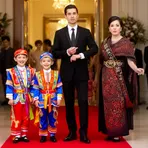
is the neutral term for wearing clothes without highlighting elegance
garmented
vsdressed
  • Archaic
1 9.0

Wearing fine clothes for a special event
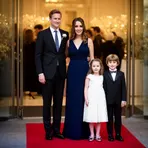
is the common term for wearing clothes in plain language
togged up
vsdressed
  • UK
1 9.1

Wearing smart clothes for a special event
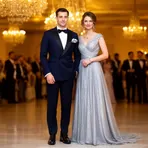
is broader, meaning wearing clothes without implying smartness for events
habilimented
vsdressed
  • Archaic
9.9

Wearing fine or special clothes

is the everyday expression for wearing clothes for style or events
dighted
vsdressed
  • Archaic
9.9

Dressed or decorated for a special event

is the modern neutral word for wearing clothes for style or occasions

Antonyms

undressed
  • NSFW
32 1.9

A person who is not wearing any clothes

Idioms

4 7.6

Wearing very elegant formal clothes for a special occasion

4 5.6

Wearing smart, attractive clothes so other people notice you

dressed to kill
  • Informal
1 6.8

Wearing very attractive, stylish clothes to get people's attention

An older person who tries to look much younger in an awkward way

dressed spiffily
  • Informal
1 7.8

Wearing stylish, elegant clothes

A person who wears smart, fashionable clothes like a stylish city person

9.1

Wearing smart, expensive clothes like a rich person

7.2

Wearing very stylish formal clothes for an important event

Wearing smart clothes but having nowhere to go

Compounds

50 2.4

Wearing neat, clean clothes that look smart, like a suit or nice shirt

46 2.7

Wearing special formal clothes for a party or event

dressed ore
  • Specialized
8.7

Rock that people clean to remove impurities and leave the useful mineral

How Dressed

formal
2 3.5
well-dressed
50 2.4
dressed
765 1.0
casual
63 1.3
naked
  • NSFW
∞ 1.0

Surface Forms

dressed positive

Morphology

dressed = dress (transparent) = dress + ed

Standard past-participle adjective formed from the verb 'dress' meaning 'to put on clothes'; meaning is directly derivable for learners.

Etymology

Dressed comes from the old verb dress that meant 'to make ready' or 'arrange'. So putting on clothes is like arranging your outfit for an event, which is why dressed means 'wearing clothes'.