drats

drats

9.9
A mild, old-fashioned exclamation said when you feel annoyed or disappointed
  • interjection
  • /dræts/
  • Archaic
translation icon : ¡caramba!
  • Drats! I forgot my keys again.

Examples

  • Drats, I missed the bus!

  • He exclaimed drats when he realized he had missed the bus.

  • Oh drats, I left my umbrella at home again.

  • Drats! The store is already closed for the day.

  • Oh drats, I left my umbrella at home again.

  • Drats! The store is already closed for the day.

  • He exclaimed drats when he realized he had missed the bus.

Synonyms

heck
vsdrats
  • Informal
422 7.5

A small amount of care or worry about something

is older and more quaint, used for mild disappointment or annoyance
darn
vsdrats
  • Informal
62 6.7

A word people say when they feel annoyed or surprised

tends to be more old-fashioned and focused on disappointment
goddammit
vsdrats
  • Offensive
50 9.9

A rude strong swear word people say when angry or frustrated

is milder and old-fashioned, expressing light annoyance or disappointment
bah
vsdrats
  • Informal
40 9.3

A short sound people make to show they feel annoyed or do not believe something

is more old-fashioned and expresses mild disappointment rather than scorn
darn it
vsdrats
  • Informal
17 8.4

A short phrase people say when they feel frustrated or disappointed

is more old-fashioned in tone and often lighter in feeling
damnit
vsdrats
  • NSFW
15 8.4

A short angry cry people say when they feel annoyed or frustrated

is an older mild expression, not as strong or profane as this
tut
vsdrats
13 8.8

A quiet sound people make to show mild disapproval or annoyance

is less social disapproval and more about gentle disappointment
grrr
vsdrats
  • Informal
11 9.9

A short sound people say or write to show anger

is less aggressive and shows mild annoyance or disappointment
drat
vsdrats
  • Informal
7 9.5

A short spoken word people use to show mild annoyance or disappointment
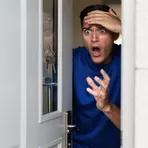
is older in tone, sounding more old-fashioned than this form
doggone
vsdrats
  • Informal
4 9.4

A short exclamation that shows annoyance or disappointment

has a quaint older tone compared with this more informal form
gawd
vsdrats
  • Slang
4 9.9

A short informal word people say when they feel surprise, shock, or annoyance
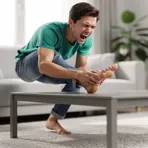
is more old-fashioned and typically softer, expressing disappointment
aagh
vsdrats
  • Informal
3 9.9

A short cry people make when they feel pain or are annoyed

is calmer, used for mild annoyance or slight disappointment
egad
vsdrats
  • Archaic
3 9.9

An old word people say to show surprise or shock

focuses more on mild annoyance or disappointment than shock
geesh
vsdrats
  • Informal
2 9.9

An informal word people say to show surprise, annoyance, or that they do not believe something

is older and leans toward mild complaint or disappointment
argh
vsdrats
  • Informal
1 9.8

A short sound that shows frustration or annoyance
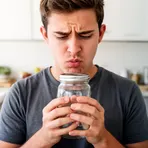
expresses milder annoyance and gentle disappointment instead of anger
dratted
vsdrats
  • Archaic
1 8.6

A mild word people use to show they are annoyed about something

is more old-fashioned and leans toward mild disappointment
lackaday
vsdrats
  • Archaic
1 9.9

A word you say to show regret, surprise, or disappointment
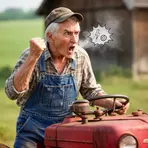
is used more for mild annoyance than deep regret
to consarn
vsdrats
  • Archaic
1 9.9

To say an old-fashioned rude word to show surprise or anger

is a general old-fashioned expression for mild displeasure
dagnab it
vsdrats
  • Archaic
1 9.9

A short cry people say when they feel frustrated or annoyed

is an older sounding exclamation used for mild disappointment
danged
vsdrats
  • Informal
1 9.0

A short word people say to show mild anger, surprise, or frustration

is more old-fashioned and slightly more about disappointment
harrumph
vsdrats
  • Archaic
1 9.9

A short gruff sound that shows annoyance or disapproval

is gentler and expresses mild disappointment rather than contempt
consarned
vsdrats
  • Archaic
9.9

An old mild word people say when they are annoyed

is less dialectal and fits general old-fashioned use
gadzooks
vsdrats
  • Archaic
9.9

An old-fashioned shout to show surprise or annoyance

is used more for mild annoyance or disappointment than loud shock
zounds
vsdrats
  • Archaic
9.9

An old word people say to show surprise or anger

is calmer, used for mild annoyance or disappointment instead
swounds
vsdrats
  • Archaic
9.9

An old word people say to show surprise, anger, or shock
expresses milder annoyance or disappointment rather than strong oath
fiddlesticks
vsdrats
  • Archaic
9.9

An old-fashioned word people say to show disbelief or annoyance

is used more for mild personal annoyance or disappointment
rew
vsdrats
  • Archaic
9.9

A short cry showing pity or regret

focuses on light annoyance or disappointment rather than deep sorrow
durn
vsdrats
  • Informal
9.9

Said when you are a little angry, annoyed, or surprised
is older and gentler, used mainly for mild disappointment rather than anger
durned
vsdrats
  • Informal
9.9

A short word said to show surprise or mild anger

is older in style and leans more to gentle disappointment
nerts
vsdrats
  • Archaic
9.9

A short shout expressing disbelief or annoyance

is older and more about mild disappointment than playful dismissal
bejeezus
vsdrats
  • Informal
9.9

A loud informal shout that shows surprise, shock, or strong annoyance

is older and less intense, fitting mild annoyance or disappointment
Diu lei
vsdrats
  • NSFW
9.9

An angry exclamation that shows strong frustration or annoyance

is milder and expresses gentle disappointment rather than strong curse
blooey
vsdrats
  • Slang
9.9

An exclamation said when something suddenly goes wrong

is older in tone and used for general mild annoyance

Antonyms

yay
  • Informal
185 6.0

A short shout people make to show happiness or excitement

hooray
  • Informal
21 2.7

A shout of joy to show approval or celebration

How Annoyed

blast
  • Literature
11 6.8
damn
  • NSFW
6.7
drats
  • Archaic
9.9
to tsk
  • Informal
2 9.9

Surface Forms

drats main

Etymology

Drats is an old, mild oath that probably began as a softer form of stronger curses, for example the old phrase 'God rot' or the simple exclamation rats. So people say drats to show 'mild annoyance' without using a harsh swear word.