
domestication
 3
4.2
3
4.2

- noun
- /dəˌmɛstəˈkeɪʃən/
- Specialized
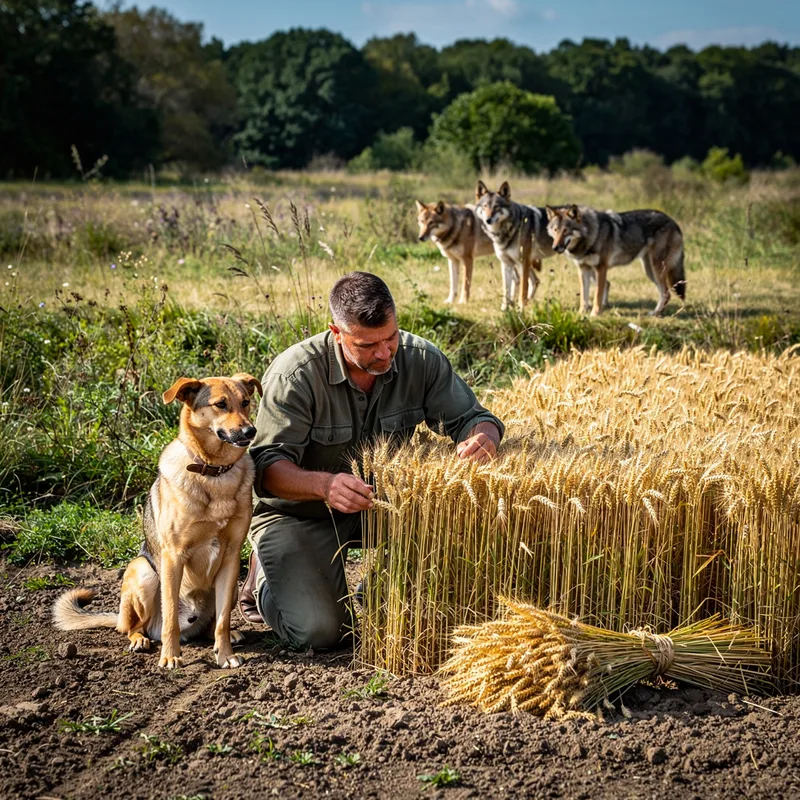
- Presumably, dog domestication began when humans captured wolf pups and raised them as pets.
- animal domestication
- domestication of plants
- domestication of goats
Examples
-
KAZAKHSTAN: Researchers have established three separate lines of evidence for the earliest domestication of horses, 5,500 years ago, by the Botai culture.
Academic text (2009) -
In America's history, domestication of muscadine grapes goes back at least 250 years.
Academic text (2006) -
The introduction of agriculture and and domestication of animals allowed for higher, higher birth rates.
-
In addition, it may lead to unpredictable genetic change and can become, in practice, a form of domestication.
Academic text (2011) -
Diamond can only show that the species that were domesticated were suitable for domestication.
Academic text (1999) -
The hearths of domestication are to be sought in areas of marked diversity of plants or animals.
Academic text (2002) -
A more recent example is the domestication of maize (corn) by the prehistoric peoples of Mexico.
Academic text (2002) -
The next half-century will see us digging more royal tombs, unraveling the domestication of cattle and other animals, studying women's roles and other social issues.
Academic text (2006) -
The domestication of dogs allowed them to serve as loyal companions to humans.
-
Farmers depend on the domestication of plants for a steady food supply.
Antonyms

How Tame


Surface Forms
Morphology
domestication = domesticate (transparent) = domestic + ation
This sense denotes the process of taming or cultivating and is the regular nominalization of 'domesticate', so it is transparent to learners.
Etymology
Domestication comes from the old Latin word domus, which means 'home', and is the same root as domestic. So animal and plant domestication is the long process of making wild species able to live with people and be useful for food, work, or company.