
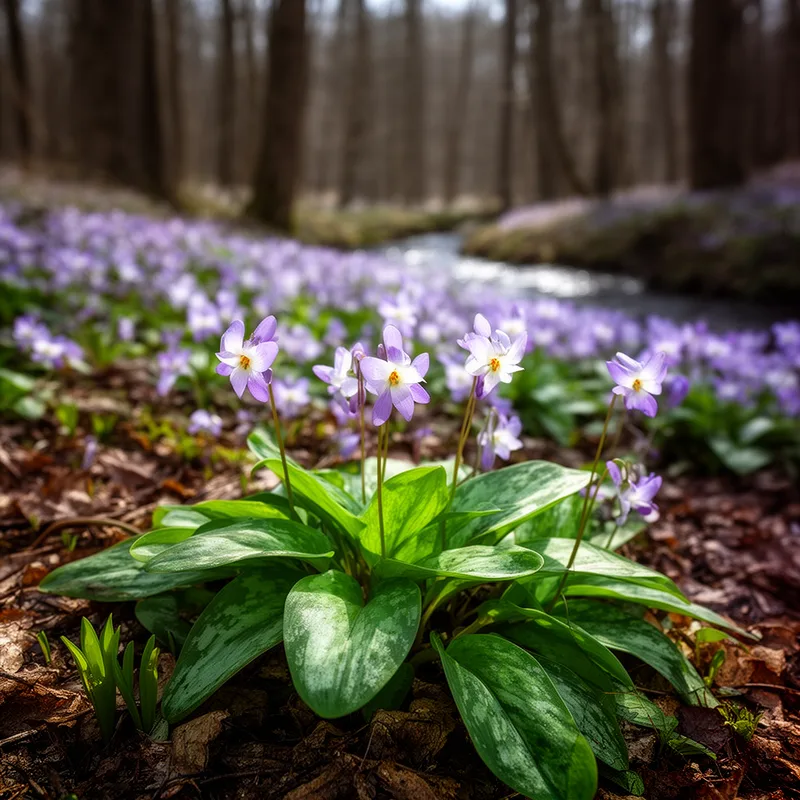
dogtooth violet


 1
9.3
1
9.3
- noun
- /ˈdɔɡˌtuːθ ˈvaɪəlɪt/
- During a hike, we spotted a cluster of dogtooth violets nestled among the ferns.
Examples
-
Gardeners often admire the dogtooth violet for its delicate blooms and attractive foliage.
-
The trees had only begun to leaf out, allowing the sun to penetrate to the forest floor; dogtooth violets and mayflowers bloomed everywhere among tender ferns.
Fiction book (1999) -
In early spring, the dogtooth violet brightens the forest floor with its unique yellow flowers.
Synonyms
 1
9.7
1
9.7
A small woodland plant that flowers in spring with nodding colorful blooms

A small plant that grows in woods and makes pretty spring flowers and is grown in gardens
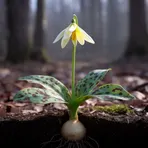
A small spring flower that grows from a bulb and often has spotted leaves

A group of related wildflower plants with bulbs, like the trout lily

A small European lily plant that is grown in gardens and has pale pink to mauve flowers

A small spring plant with pink to purple flowers often grown in gardens

A wild spring flower with bright yellow petals that grows in western North America

A small wild flower with bright yellow petals that grows in mountain meadows

A North American spring flower with white petals and a yellow center

A North American woodland plant with one white flower and a yellow center
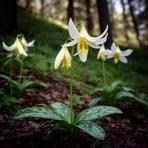
A plant from California in the lily family with creamy white flowers sometimes slightly yellow
Surface Forms
Morphology
The compound combines two plant-related constituents—'dogtooth' (a woodland bulbous plant) and 'violet' (a small perennial plant)—so a learner who knows both will readily infer it denotes a type of flowering plant. This compositional noun-noun pattern is straightforward and cross-linguistically common, making the overall meaning accessible to a B1 learner.
Etymology
Dogtooth violet likely gets its name from the plant's small bulb that looks like a dog's tooth, so the part dogtooth refers to the bulb and the part violet refers to its violet-like flower. That's why the name is used for this spring 'woodland plant'.