
distractive
8.4
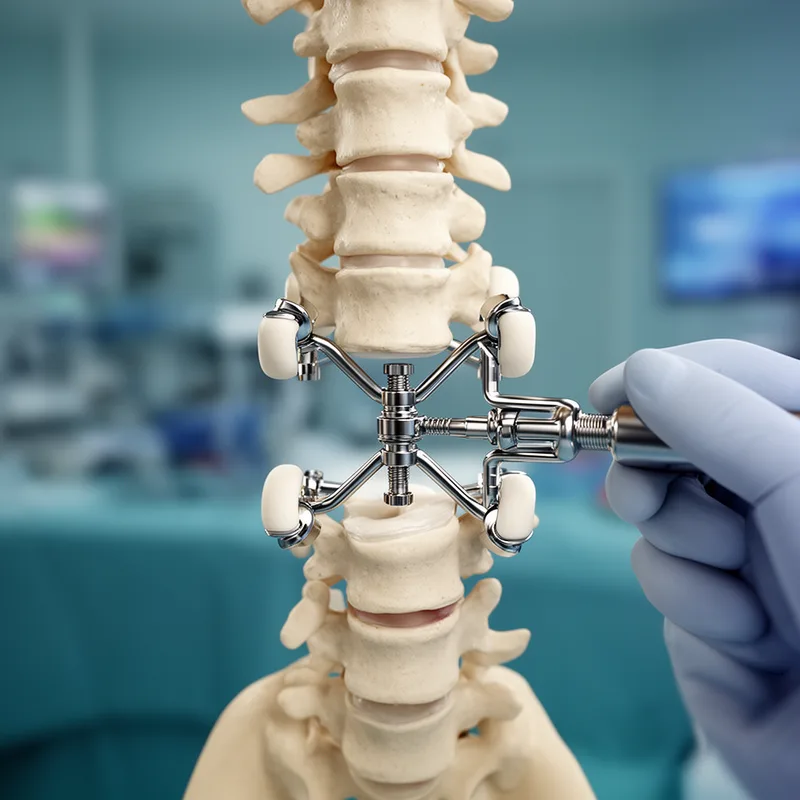
Causes parts to move away from each other, often in surgery or engineering
- adjective
- /dɪˈstræktɪv/
- Specialized
:
distractor
- The release of normal distractive forces from the rabbit Achilles tendon resulted in the disaggregation of collagen fibers and increased quantities of nonsulfated proteoglycans.
Examples
-
The distractive forces in the machine caused the parts to move apart unexpectedly.
-
In the study, the distractive pull from the device led to significant separation of the components.
-
When the distractive elements in the experiment were removed, the results became clearer.
Surface Forms
distractive positive
Morphology
Etymology
Distractive comes from the Latin parts dis- meaning 'apart' and tract meaning 'pull', the same root you see in tractor and traction. So a distractive force is literally one that 'pulls apart' or separates parts, which is why the word is used for tools and devices that widen or separate things.

