
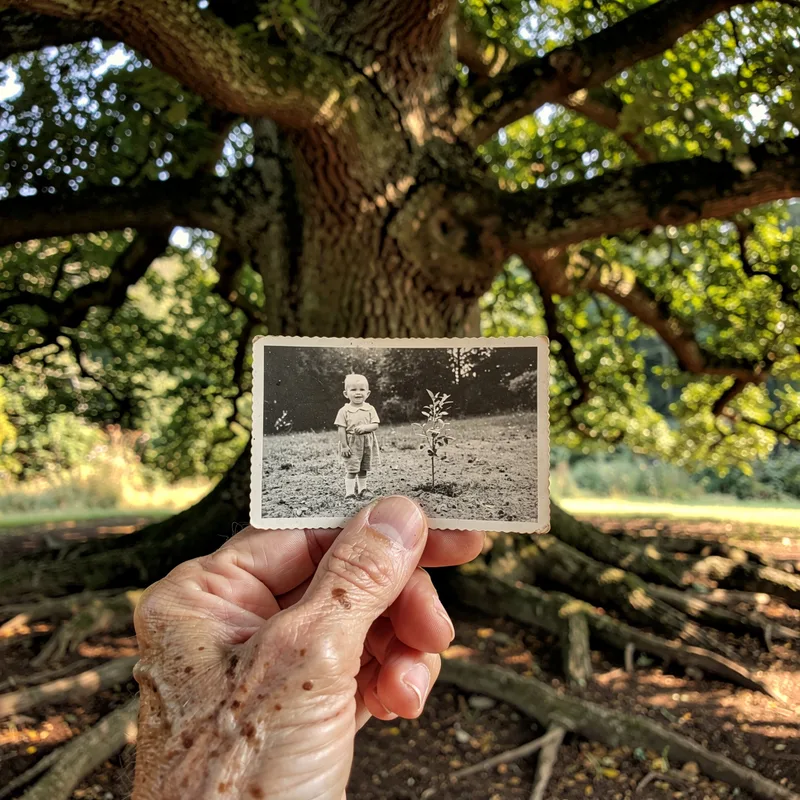
distant
 110
2.9
110
2.9

- adjective
- /ˈdɪstənt/
- And so the Mosasaur helped to support Cuvier's hypothesis that several universal cataclysms occurred on Earth in the distant past.
- the distant past
- the distant future
- a distant memory
Loading YouTube…
Watch on YouTubeIt's fascinating when the echoes of people from a distant past are seen today.
- It's fascinating when the echoes of people from a distant past are seen today.
- So if you are here from the far distant future to be like, this isn't a duology.
- And then in the not the not too distant future they're going to be much better off.
- We fear the loss of what these things might mean to us in some distant hypothetical future.
- Yeah, Saying, you know, that may have been beneficial to us in our distant past are no longer.
- It had computer numbers for each and rules old men had made in a distant past.
- We've inherited institutions from a very distant past.
Examples
-
In the Arctic, climate change isn't a distant threat in the future.
-
A closer relationship may emerge in the distant future once the dreams attached to sovereignty fade.
Academic text (1992) -
And so imagine that you are in a in the distant future.
-
This is a yet further past, and then this is a much more distant past.
-
Hopefully we'll get to meet in person at some point in the not too distant post COVID world.
-
A planet that burned like a green star in the distant heavens.
-
The moon had come out over the distant mountains and filled the sky with orange.
Fiction book (1994) -
When we talk about the distant past, we often use the word prehistory.
-
It's fascinating when the echoes of people from a distant past are seen today.
-
In the distant past, ancient civilizations built impressive structures that still amaze us today.
Synonyms
 701
1.0
701
1.0
At a time a long way in the past or future
 45
4.2
45
4.2
Very far away in place or time
 40
5.1
40
5.1
Far away in time, long ago or in the future
 34
2.8
34
2.8
Far from here in place or time
 20
6.8
20
6.8
Very different in life, feeling, or situation
 8
4.8
8
4.8
From a time very long ago
 1
3.5
1
3.5
A time very far in the past often used to begin a story
Antonyms


Compounds

How Distant

Surface Forms
Morphology
Etymology
Distant comes from the parts dis- 'apart' and stand 'to stand', so a 'distant' time is one that 'stands apart' from now and feels far in the past or future.