

dissolving
- noun
- /dɪˈzɑlvɪŋ/
- The scientist demonstrated the process of dissolving sugar in hot water to make a syrup.
Loading YouTube…
Watch on YouTubeAnd Chuck, how does dissolving the salt molecule in water make its atoms ionize?
- And Chuck, how does dissolving the salt molecule in water make its atoms ionize?
- Because the reaction of dissolving sulfur trioxide into water is an extremely exothermic reaction, generates a ton of heat.
- And what is the result of dissolving it?
Examples
-
Because the reaction of dissolving sulfur trioxide into water is an extremely exothermic reaction, generates a ton of heat.
-
And Chuck, how does dissolving the salt molecule in water make its atoms ionize?
-
Nope, it's not really dissolving into it at all.
-
So that is dissolving the barrier between me and the rest, OK, Me and other.
-
And slowly I feel like it's dissolving and breaking down the walls of self hatred.
-
It's actually picking up bits of oxygen in the air and it's actually dissolving as it hits the ground in dissolved oxygen.
-
Well, it is made by dissolving phosphorus pentoxide in water.
-
If we're not getting it naturally in the foods that we're eating, how do you know if it's even dissolving at the right part of the digestive process?
-
Mass of liquid distended to cohesive slab of rain slipping through hillside in which is suspended a brambledome of dissolving animals.
-
Dissolving salt in water creates a saline solution that is used in many recipes.
Synonyms

 2
6.8
2
6.8

The process of a substance mixing into a liquid, like sugar in tea

Changing a substance so it dissolves or mixes into a liquid
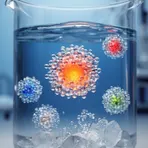
Liquid molecules surround and mix with small particles or ions to make a solution
Compounds
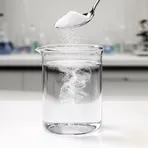
How Dissolved

Surface Forms
Morphology
Etymology
Dissolving comes from dis- 'apart' and solve (from Latin solvere) 'to loosen', so imagine the parts of something being 'loosened apart' in water. That's why dissolving means a solid breaks up and mixes into a liquid to make a 'solution', like sugar in tea.