
dissentient

dissentient

9.8
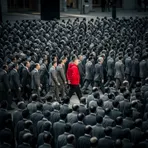
Disagreeing with the majority or with official opinion
  • adjective
  • /dɪˈsɛnʃənt/
  • Formal
translation icon : disidente
  • The dissentient group chose to voice an alternative perspective on the policy.

Examples

  • Several dissentient voices expressed their concerns during the meeting.

  • As for the dissentient communities in the "Protestant West":

    Academic text (2013)
  • She often found herself in dissentient positions regarding popular trends.

Synonyms

defiant
vsdissentient
63 5.6

Refusing to follow rules or orders in a bold, open way

emphasizes disagreement with majority or rules rather than overt bold resistance
rebellious
vsdissentient
43 4.5

Not willing to follow rules or authority
is broader disagreement with majority, not only active resistance to authority
dissident
vsdissentient
16 7.3

Not agreeing with the official or common view

covers general disagreement with majority rather than only formal policy rejection
obstinate
vsdissentient
16 7.5

Refusing to change your opinion or behavior even when others try to persuade you

centres on nonconformity of opinion rather than mere stubbornness
contrary
vsdissentient
14 5.4

Deliberately refusing to do what others want

is disagreement with majority ideas rather than purposeful uncooperativeness
recalcitrant
vsdissentient
  • Formal
11 8.1

Not willing to follow rules or accept control

is disagreement with common opinion rather than primarily stubborn disobedience
disobedient
vsdissentient
11 4.0

Refuses to obey rules or people in charge

is disagreement with majority opinion rather than simply refusing orders
oppositional
vsdissentient
5 6.6

Showing disagreement or resistance to someone with power

is specific to disagreeing with majority or refusing to follow accepted rules
nonconforming
vsdissentient
2 7.1

Not following usual customs or religious beliefs

is disagreement with majority opinions more generally, not only doctrinal nonconformity
disputatious
vsdissentient
1 9.8

Often likes to argue with other people

is about holding minority opinions rather than enjoying argument as such
dissenting
vsdissentient
6.7

Showing disagreement with a decision or opinion of most people

is about disagreeing with majority especially against official or accepted rules
dissentious
vsdissentient
  • Archaic
9.9

Likely to disagree with most people and start arguments

focuses specifically on disagreeing with majority or refusing to conform
contrarious
vsdissentient
  • Literature
9.9

Often disagreeing with others on purpose to be difficult

is disagreement with majority but not necessarily perverse or intentionally contrary
negativistic
vsdissentient
  • Specialized
9.0

Often refuses to do what others ask

is about disagreeing with majority opinion rather than steady refusal to obey
resistive
vsdissentient
7.6

Likely to oppose rules or orders

is focused on disagreeing with majority norms rather than general opposition tendency
remonstrant
vsdissentient
  • Formal
9.5

Showing strong public protest or disagreement

is disagreement with majority views rather than just formal protest
expostulatory
vsdissentient
  • Formal
9.9

Showing strong disagreement, usually in speech or writing

focuses on opposing majority opinion rather than only expressing protest
unconformist
vsdissentient
8.2

Not following the usual rules or ways that most people accept

is about disagreeing with majority opinions rather than merely different behaviour

How Dissenting

rebellious
43 4.5
oppositional
5 6.6
dissentient
  • Formal
9.8
critical
210 3.8
compliant
31 5.1
conformist
6 6.0

Surface Forms

dissentient positive

Morphology

dissentient = dissent (transparent) = dissent + ient

The adjective is formed by adding an adjectival suffix to 'dissent', so learners who know 'dissent' can infer 'dissentient' as 'disagreeing'.

Etymology

Dissentient comes from the Latin parts dis- 'apart' and sentire 'to feel', and it is related to the common word dissent and to sentiment. So a dissentient person 'feels apart' from the group, which explains why they disagree with the majority.