

displacement
 1
6.3
1
6.3

- noun
- /dɪsˈpleɪsmənt/
- Specialized
- Chemotherapy doses were calculated from limb volumes measured using the water displacement technique or circumferential limb measurements (6, 11, 23, 24).
Examples
-
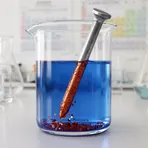
In the chemical experiment, the displacement reaction released hydrogen gas when zinc replaced copper in the solution.
-
Is the normal course of the reaction a replacement or a displacement, right?
-
A measure of the ease of electron displacement within an atom.
-
It seems to be working well in Brazil for oil displacement.
Blog text (5) -
So what I'm now going to do is to pour in the magnesium powder and watch what happens as the displacement reaction begins.
-
The displacement of iron by aluminum in the reaction demonstrates how metals can replace each other in compounds.
-
The scientist observed the displacement of silver ions in the solution as the more reactive copper replaced them.
Synonyms

 1
6.0
1
6.0
A reaction where a more reactive element replaces a less reactive one in a compound
Antonyms


Idioms

Compounds
- Specialized
1
6.0
A reaction where a more reactive element replaces a less reactive one in a compound
- Specialized
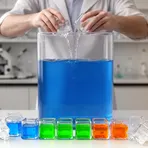
A measure used to show how much space something takes, for example litres or cubic metres

- Specialized
The amount of liquid pushed aside equals the volume of an object under the liquid
Surface Forms
Morphology
Etymology
Displacement comes from dis- 'away' and place 'position', and in chemistry it describes one element taking the 'place' of another and pushing it 'away' from the compound. This makes it easy to remember displacement as a reaction where one element replaces another.