
disjunct
- adjective
- /dɪsˈdʒʌŋkt/
- Specialized
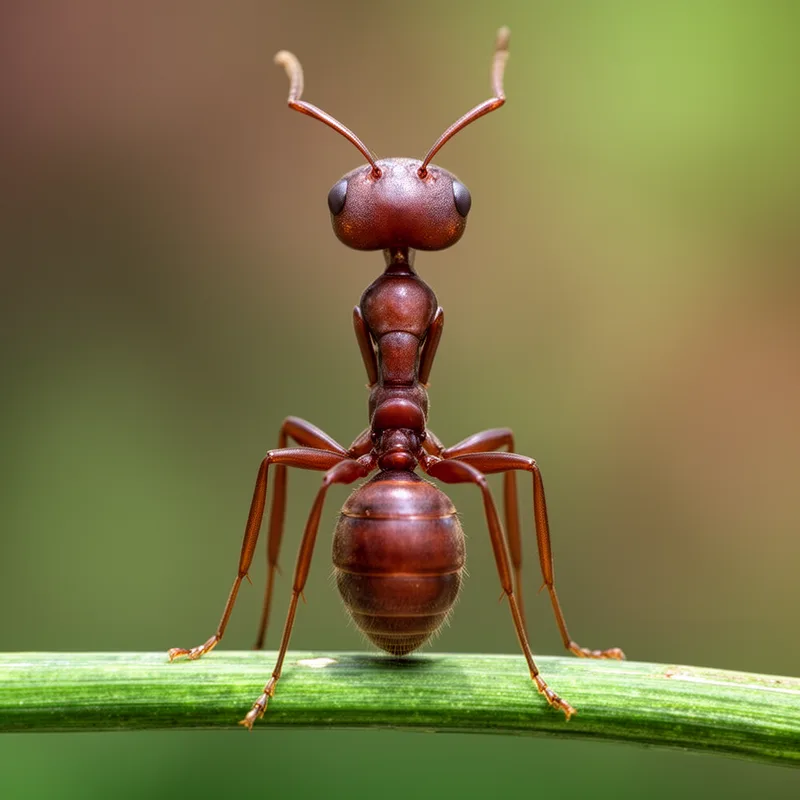
- Certain wasps are easily identified by their disjunct body segments.
Examples
-
Insects with disjunct morphology are distinguished by a narrow connection between the thorax and abdomen.
-
The disjunct segments of the insect's body are clearly visible.
-
The disjunct structure is a key feature found across many ant species.
-
Many species of beetles are disjunct in their body structure.
-
Certain wasps are easily identified by their disjunct body segments.
-
Insects with disjunct morphology are distinguished by a narrow connection between the thorax and abdomen.
-
The disjunct segments of the insect's body are clearly visible.
Synonyms

A body shape with a very small waist compared with the rest of the body
Antonyms



Surface Forms
Morphology
disjunct = dis + junct
The general idea of separation is historically present, but the bound root 'junct' is not independently accessible and the biological use is technical rather than easily compositional.
Etymology
Disjunct comes from dis- 'apart' and junct 'to join', and it is used for bodies that show clear breaks between parts. So an insect described as disjunct has the head, thorax, and abdomen sharply set 'apart' rather than smoothly joined.