

discrimination
 7
4.8
7
4.8

- noun
- /dɪsˌkrɪmɪˈneɪʃən/
- A music-teaching implication is that children of all ages are primed to learn about timbre discrimination.
- speech discrimination
- auditory discrimination
- aural discrimination
Loading YouTube…
Watch on YouTubeTheir fleets were among the best in the young kingdoms and raided with little discrimination.
- Their fleets were among the best in the young kingdoms and raided with little discrimination.
- So then he found that the that it only happened if people had enough time, they could make those discriminations.
Examples
-
Second, the author looks at discrimination and social interactions.
-
Most children develop detection and discrimination skills through normal interaction with the environment.
Academic text (1990) -
The War Department's announcement to end racial discrimination was followed by a relatively slow implementation.
Academic text (2015) -
Particular attention must be paid to the effects of discrimination and disadvantage on equality of opportunity to work.
Academic text (1990) -
Students practice the new skill with the teacher and then apply it to discrimination or generalization tasks.
Academic text (2013) -
Employers increasingly need to assess and address autism issues in the workplace without discrimination.
Academic text (2015) -
The EEOC is uniquely qualified to identify and record new issues and trends within discrimination claims.
Academic text (2017) -
Children learn to recognize differences in sound through discrimination activities in music class.
-
The study focused on the cognitive process of discrimination that helps individuals distinguish between colors.
-
Training in sensory discrimination is essential for developing skills in areas like cooking and wine tasting.
Synonyms
 286
3.5
286
3.5
A difference that shows how two things or people are not the same
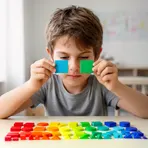
The ability to notice small differences between things, like colors or sounds

The ability to notice differences between things
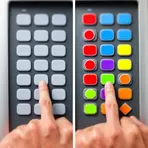
How easy it is to see that something is different from others
Compounds

- Offensive
17
4.1
Unfair treatment of people because of their race or ethnic background


- Formal
The right to be treated fairly no matter a person's race or sex

Equal and fair treatment of people without prejudice about race, gender, or religion
How Discriminating
38
6.6
 7
4.8
1
6.6
7
4.8
1
6.6
- Specialized
6
8.1
- Specialized
29
4.1
336
3.2
Surface Forms
Morphology
discrimination = discriminate (transparent) = discriminate + ion
This sense is a direct nominalization of the verb 'discriminate' meaning 'to perceive or recognize differences', so the meaning is directly derived for learners who know the verb.
Etymology
Discrimination can also mean the skill of noticing small differences, and this sense comes from the same Latin root discrimen and the English word discern ('to notice differences'). So in this meaning, discrimination is the ability to tell two things apart.