
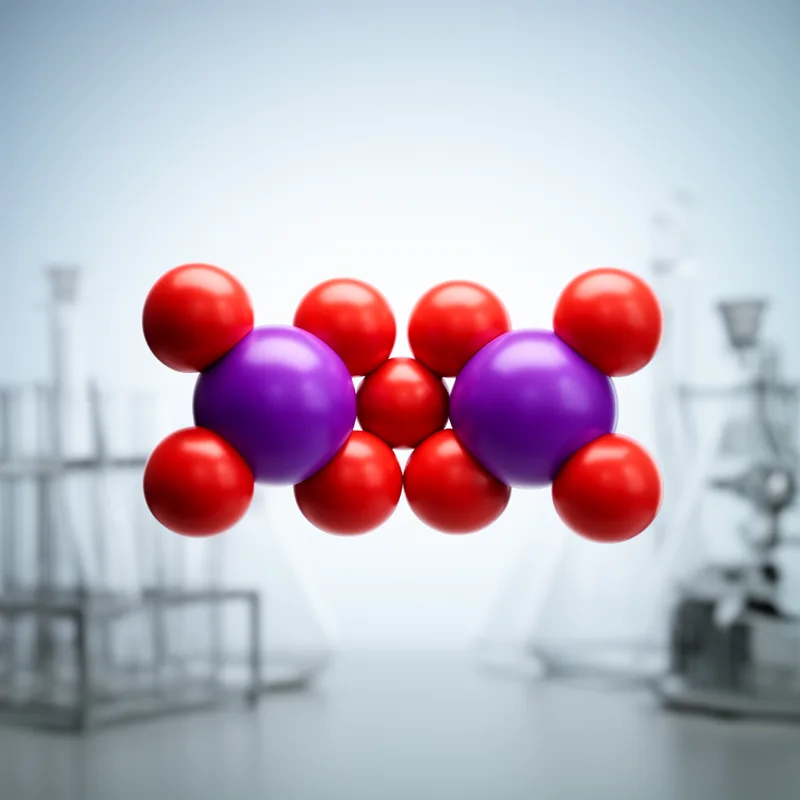
diphosphate


 1
7.9
1
7.9
- noun
- /daɪˈfɔsfeɪt/
- Specialized
- Adenosine diphosphate (ADP) with a purity over 98% was purchased from Sigma (USA).
- adenosine diphosphate
- diphosphate (ADP)
Loading YouTube…
Watch on YouTubeAnd when that shape is quite different, if it's bound to guanosine diphosphate or triphosphate.
- And when that shape is quite different, if it's bound to guanosine diphosphate or triphosphate.
- It gets cleaved to ADP, adenosine diphosphate plus an inorganic phosphate, right?
- We take adenosine diphosphate, ADP and we add a phosphorus to it to make it ATP, and then we run all of our
Examples
-
And when that shape is quite different, if it's bound to guanosine diphosphate or triphosphate.
-
The reaction cycle is completed with the release of the hydrolysis product, adenosine diphosphate (ADP).
Academic text (2006) -
Guanosine diphosphate plays a critical role in cellular energy transfer and signal transduction.
-
The chemical formula for adenosine diphosphate is C10H15N5O10P2, indicating it contains two phosphate groups.
-
In the laboratory, researchers often work with diphosphate compounds to study their effects on metabolic processes.
Synonyms
 1
9.1
1
9.1
A salt used in chemistry and biology, often by enzymes and in toothpaste
Compounds
- Specialized
A small molecule with two phosphate groups that cells use to store and release energy
Surface Forms
Morphology
Etymology
The word diphosphate breaks into di- meaning 'two' and phosphate, a common chemical part that has the element phosphorus and appears in food and in living cells. So a diphosphate is a molecule with 'two' phosphate parts, which is why the word names compounds that contain two phosphate groups.