

pyrophosphate


 1
9.1
1
9.1
- noun
- /ˌpaɪrəˈfɔsfeɪt/
- Specialized
- Researchers discovered that adding pyrophosphate to the solution improved the reaction rate significantly.
Examples
-
And that thing is called geranyl pyrophosphate because it's related to geraniums, as we'll see.
-
The farnesene synthase gene was most similar to the peppermint version of the gene, while the farnesyl pyrophosphate synthase gene was most similar to the gene found in mammals, with one tiny sequence particularly similar to the cow version of the gene.
Blog text (2) -
Join the phosphate and the pyrophosphate will leave.
-
So what you have here actually is a pyrophosphate linkage to UDP.
-
Bisphosphonates are chemicals that substitute for the naturally occurring compound of bone called pyrophosphate.
Academic text (2005) -
Bisphosphonates are analogs of pyrophosphate that act to inhibit bone resorption by acting on osteoclasts or on osteoclast precursors.
Academic text (2002) -
In biochemistry, the conversion of ATP to AMP releases a molecule of pyrophosphate.
-
The presence of pyrophosphate enhances the stability of certain enzyme reactions in the lab.
Compounds

- Specialized
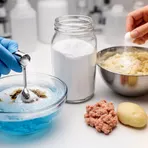
A powder used in toothpaste, food, and detergents to control tartar and soften water
- Specialized
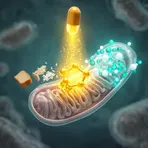
A substance made from vitamin B1 that helps parts of cells turn food into energy
- Specialized
A chemical used in soaps and detergents to help them clean and in foods to improve texture
Surface Forms
Morphology
Etymology
Pyrophosphate comes from two parts: pyro- meaning 'fire' and phosphate, a common chemistry word for a group with phosphorus, and you can see the same pyro- in pyrotechnics. The 'fire' part helps you remember that these phosphates were first made or joined by heat, so pyrophosphate is a phosphate formed when phosphate parts join by heating and is used for certain salts and chemical groups in biology and chemistry.